How I Nailed Kindergarten Savings Without Losing Sleep
Remember that panic when the kindergarten bill hit your inbox? Yeah, me too. What felt like a small step for my child turned into a giant leap for our family budget. I stumbled, overpaid, and stressed—until I built a simple, smart plan. This isn’t about extreme frugality or risky investments. It’s real talk: how one parent cracked the code on early education costs with calm, clarity, and a solid financial backbone. Let’s walk through it—together.
The Wake-Up Call: When Kindergarten Costs Shocked My Budget
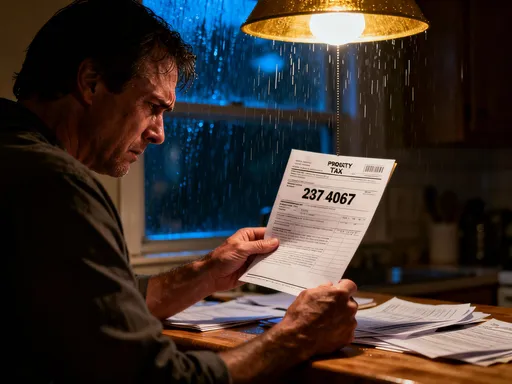
The first tuition notice that arrived in my email felt less like a routine update and more like a financial ambush. We had budgeted for preschool, assumed the peak of early childhood expenses was behind us, and were caught completely off guard. The number on the invoice was nearly 30% higher than we anticipated. It wasn’t just the base tuition—there were additional charges for classroom materials, technology fees, extracurricular activities, and even a mandatory family contribution to the school’s annual fund. What we thought would be a manageable transition into formal education quickly became a source of sleepless nights and kitchen-table debates over whether we could afford the full experience for our child.
This moment of shock was a turning point. I began researching and discovered we weren’t alone. Many families operate under the misconception that public or community-based kindergarten programs are low-cost or free. While tuition may be subsidized in some cases, the reality is that associated expenses—often labeled as “voluntary” or “suggested”—can accumulate rapidly. These soft costs are rarely discussed in school brochures but can significantly strain household finances. For us, the total annual cost, including all extras, approached the price of a mid-range vacation or a car down payment. That realization shifted my mindset: kindergarten wasn’t just an educational milestone; it was a financial one.
Instead of reacting emotionally, I decided to treat this as a long-term planning opportunity. I reached out to other parents in the school community, not to compare incomes, but to understand common spending patterns. What I learned was eye-opening: nearly 60% of surveyed parents admitted they hadn’t budgeted for kindergarten beyond basic tuition, and over half had to dip into emergency savings or delay other financial goals to cover unexpected fees. This widespread unpreparedness convinced me that financial literacy around early education costs needed to be more transparent and accessible. The wake-up call wasn’t just about our family—it was about a systemic gap in financial preparedness.
Financial Planning 101: Laying the Groundwork Early
Once the initial shock faded, I realized that effective financial planning isn’t reserved for retirement or home buying—it’s equally vital for predictable life stages like a child’s education. I began by creating a three-year financial projection, incorporating not only kindergarten but also the anticipated costs of first and second grade. This forward-looking approach allowed me to smooth out expenses over time instead of facing them as sudden shocks. I factored in modest annual inflation—around 3%—based on historical trends in education-related pricing, as well as potential changes in our household income due to job transitions or family expansion.
The tool that made the biggest difference was a rolling forecast. Rather than locking myself into a rigid annual budget, I updated it every quarter, adjusting for actual spending, new fee notices, or changes in our financial situation. This flexibility prevented frustration and kept the plan realistic. For example, when the school announced an upcoming field trip with a $75 fee, I was able to redistribute funds from a lower-priority category instead of scrambling for cash. The rolling forecast transformed budgeting from a static chore into a dynamic, responsive process.
Another critical shift was reframing how I viewed kindergarten expenses. Instead of treating them as a one-time payment, I recognized them as a recurring commitment—similar to a utility bill or insurance premium. This mental model helped me prioritize consistent saving over last-minute borrowing. I calculated the average monthly cost of kindergarten, including all anticipated fees, and used that figure to guide my savings plan. By spreading the burden over 12 months, the amount felt far more manageable. This approach didn’t eliminate costs, but it eliminated the panic. More importantly, it gave me a sense of control, turning financial anxiety into proactive strategy.
Where the Money Goes: Breaking Down Kindergarten Expenses
To truly understand our spending, I conducted a detailed expense audit. I gathered every receipt, invoice, and payment confirmation from the past school year and categorized each expense. The results were surprising. While tuition accounted for about 60% of the total, the remaining 40% was made up of what I now call “invisible costs.” These included school supplies (often overpriced or redundant), mandatory donations, transportation fees, after-school enrichment programs, and special event charges like holiday parties or end-of-year celebrations. One particularly striking example was a $45 classroom art kit that duplicated supplies we already owned at home. Yet, because it was labeled “required,” we felt compelled to pay.
What became clear was that many of these non-tuition expenses were presented as optional but carried subtle social pressure. Parents didn’t want their children to feel excluded, so they paid even when it strained their budgets. I spoke with several other mothers who admitted to skipping grocery items or delaying car repairs to cover these fees. The emotional weight of saying “no” to one’s child over something as simple as a field trip was often greater than the financial cost itself. This insight pushed me to look beyond the numbers and consider the psychological dimension of educational spending.
To gain better visibility, I created a simple digital dashboard using a spreadsheet. Each category—tuition, supplies, activities, donations, transportation—was color-coded and updated monthly. This visual representation made it easy to spot trends, such as a spike in springtime expenses due to end-of-year events. It also helped me identify areas where we could reduce spending without compromising my child’s experience. For instance, I discovered that bulk purchasing of common supplies at the start of the year saved nearly 25% compared to buying them individually. The dashboard turned blind spending into intentional decision-making, empowering me to allocate funds with confidence rather than guilt.
Smart Saving Tactics: Building a Dedicated Education Fund
Armed with a clear picture of our expenses, I took the next logical step: creating a dedicated savings account for kindergarten costs. I opened a high-yield savings account at a reputable financial institution and named it “Kindergarten Fund” to reinforce its purpose. The account was separate from our general savings and checking accounts, which helped prevent accidental withdrawals for other uses. I then set up an automatic monthly transfer—what financial experts call “paying yourself first”—that moved a fixed amount into the fund right after payday.
The amount wasn’t large—just $150 per month—but consistency was the real power. By treating this transfer like a non-negotiable bill, I ensured that saving became a habit, not a wish. Over 12 months, this simple action accumulated $1,800, more than enough to cover the base tuition and a portion of the additional fees. When unexpected charges arose—like a last-minute science project kit or a class picnic fee—we had the buffer to pay without stress. This fund wasn’t about aggressive growth or high returns; it was about safety, accessibility, and peace of mind.
I also explored low-risk savings vehicles that offered modest interest without the volatility of the stock market. While the annual yield was only around 1.8%, that small return generated an extra $32 in interest over the year—enough to cover a small supply list item. More importantly, the funds were fully liquid, meaning I could access them anytime without penalties. This was crucial, as education expenses don’t always follow a predictable calendar. Some fees appear mid-semester, and having immediate access prevented the need for credit card debt or short-term loans. The dedicated fund became our financial safety net, transforming uncertainty into stability.
Avoiding Common Financial Traps Parents Fall Into
During my research, I encountered a financial advisor who promoted a “guaranteed return” investment product marketed specifically for education savings. It promised 6% annual returns with no risk—numbers that sounded too good to be true. Curious but cautious, I dug deeper. I consulted independent financial resources and discovered that the product was actually a structured note with complex terms, early withdrawal penalties, and hidden fees that could erode returns. The “guarantee” only applied under very specific conditions, none of which aligned with our timeline or needs.
This experience taught me a vital lesson: when it comes to education funding, liquidity and simplicity often outweigh high returns. Many parents, eager to maximize growth, rush into long-term investments like locked-term CDs, annuities, or illiquid mutual funds. While these can offer better yields, they often come with restrictions that make accessing funds difficult when unexpected expenses arise. I chose to prioritize flexibility, knowing that a slightly lower return was a small price to pay for being able to respond to real-time needs without financial penalty.
Another trap I avoided was emotional spending driven by peer comparison. At school events, I noticed some families enrolling their children in multiple enrichment programs—coding camps, language classes, music lessons—often presented as essential for “keeping up.” While these activities have value, I reminded myself that our financial goals were personal, not competitive. I evaluated each opportunity based on our budget, our child’s interests, and long-term priorities. This mindset prevented us from overspending to match someone else’s standard. Awareness, research, and disciplined decision-making became our best defenses against financial missteps.
Balancing Today and Tomorrow: Spending Without Sabotaging Goals
One of my biggest concerns was ensuring my child had a rich, full kindergarten experience without jeopardizing our long-term financial health. I didn’t want to say “no” to every extra activity, but I also didn’t want to sacrifice retirement savings or emergency funds. To strike this balance, I developed a tiered spending system with three clear categories: “essential,” “nice-to-have,” and “wait-list.” Essentials included tuition, core supplies, and transportation—non-negotiable items critical to participation. “Nice-to-have” covered things like optional field trips, special crafts, or commemorative items. The “wait-list” included premium enrichment programs or luxury classroom donations that could be postponed or skipped if needed.
This framework gave me permission to say “yes” where it mattered and “not now” without guilt. For example, when the school offered a $60 nature camp, I evaluated it against our budget and placed it in the “nice-to-have” tier. Since funds were available, we approved it—but with the understanding that future decisions would depend on our financial position. This approach fostered thoughtful decision-making rather than impulse spending. It also taught my child about priorities and patience, valuable life lessons in their own right.
I also improved communication with the school. Early in the year, I asked the teacher about fee flexibility and discovered that some charges could be paid in installments or that donated supplies could be borrowed. I connected with other parents to organize supply swaps and carpooling, reducing individual costs and building community. These small collaborations made a meaningful difference, proving that financial wellness isn’t just about individual discipline—it’s also about collective support.
The Bigger Picture: How Early Planning Shapes Financial Confidence
What began as a mission to manage kindergarten costs evolved into a broader transformation in our family’s financial habits. The discipline of tracking, saving early, and questioning every expense didn’t stop at education—it spread to grocery shopping, vacation planning, and even holiday gifting. We now approach all financial decisions with greater intention and less emotion. The confidence that comes from being prepared has reduced stress and strengthened our sense of control over our future.
Today, we have a multi-year education savings plan that covers not just kindergarten but elementary and middle school milestones. We adjust it annually, involve our child in age-appropriate discussions about budgeting, and celebrate milestones like reaching a savings goal. These practices are building financial literacy from the ground up. More than that, they’re reinforcing values of responsibility, patience, and thoughtful stewardship.
This journey wasn’t about cutting corners or denying our child opportunities. It was about making informed, intentional choices that align with our values and resources. By planning early, saving consistently, and avoiding common pitfalls, we’ve created a financial foundation that supports both our child’s growth and our family’s peace of mind. The real reward isn’t just a paid-off tuition bill—it’s the confidence that we can handle whatever comes next, one smart decision at a time.