How I Turned Study Tour Costs into Tax Wins — A Parent’s Real Talk
Remember that sinking feeling when you write a big check for your child’s study tour? I’ve been there—staring at the receipt, wondering if it could’ve gone further. What if I told you some of those costs might lower your tax bill? It’s not magic, just smart planning. I learned this the hard way, and now I’m sharing what actually works—no jargon, just real strategies that helped me save. This isn’t about gaming the system. It’s about understanding how the system already offers support for families investing in education. And when that investment includes a trip abroad, the rules might be more flexible than you think.
The Moment Everything Changed: When Education Costs Met Tax Reality
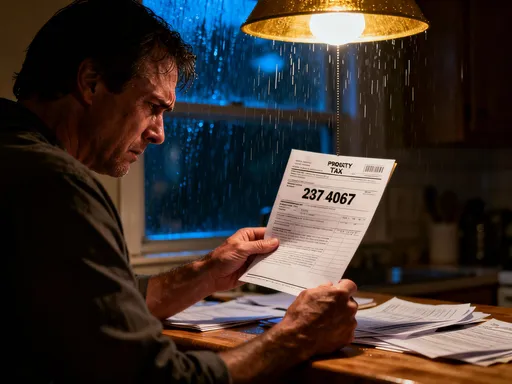
It started with a plane ticket. My daughter was accepted into a high school program in Florence—an immersive two-week course on Renaissance art and Italian language. The total cost was over $4,500, including airfare, accommodations, and academic materials. I paid it without hesitation because I believed in the value of the experience. But weeks later, while organizing receipts for my annual tax review, I mentioned the trip to a friend who works as a certified public accountant. Her response surprised me: “Did you consider whether any of that qualifies as an educational expense?”
At first, I laughed. Of course not. School trips were just another line item in the endless list of parenting costs—like braces, textbooks, or sports uniforms. But her question stuck with me. I began digging into IRS guidelines and discovered something few parents realize: while general travel for pleasure is never deductible, certain educational travel—when properly structured and documented—can fall within the boundaries of allowable education-related spending. The key wasn’t the destination; it was the purpose, structure, and evidence of academic intent.
This moment marked a shift in how I viewed education spending. No longer did I see these expenses as purely outflows with no return. Instead, I began to recognize them as potential components of a broader financial strategy—one that aligned learning goals with tax efficiency. That doesn’t mean every family can claim a deduction for a school trip. But understanding the difference between personal spending and strategically supportable costs empowers parents to make informed choices. And sometimes, even if a full deduction isn’t possible, the awareness alone reduces financial stress. Knowing you’ve explored every legal avenue brings peace of mind—and that’s worth something too.
What Counts? Defining Qualifying Education Expenses in Plain Terms
Not all education-related spending qualifies for tax benefits, and the IRS draws a clear line between what counts and what doesn’t. Generally, qualified education expenses include tuition, fees, books, supplies, and equipment required for enrollment or attendance at an eligible educational institution. These are well-defined categories, especially when using tax-advantaged accounts like 529 plans or claiming the American Opportunity Tax Credit. But where do study tours fit in?
The answer depends on several factors: the nature of the program, its academic rigor, and how well it’s documented. For example, a week-long biology field study in Costa Rica that is part of a school’s science curriculum and led by certified teachers may have stronger grounds for partial qualification than a generic cultural tour marketed to students. The critical factor is whether the activity serves a legitimate educational purpose and is not primarily for recreation or tourism.
In some cases, specific components of a study tour—such as program fees paid directly to an educational provider, required course materials, or lab supplies used during the trip—may be considered eligible expenses if they meet IRS criteria. Airfare and lodging typically don’t qualify unless the entire trip is structured as a formal educational program with substantial academic content and oversight. However, if the tour is offered through a recognized school or university and appears on an official transcript, certain costs could potentially be included under broader education savings account rules.
Another important consideration is documentation. To support any claim, families need clear records: a detailed itinerary showing daily academic activities, syllabi or course outlines, letters from the school confirming the educational purpose, and receipts broken down by category. Without this paper trail, even a highly academic trip may be viewed as personal travel. The goal is to demonstrate that the primary purpose of the journey was learning—not leisure. This distinction matters not only for tax compliance but also for maximizing the long-term financial benefits of education planning.
Why It Matters: The Hidden Financial Impact of Smart Education Spending
At first glance, paying $5,000 for a student’s overseas study program feels like a one-way transaction: money out, experience in. But when families apply tax-smart strategies, part of that outflow can effectively be reduced. Consider two households with similar incomes—both spend $4,800 on a child’s academic tour. Family A treats the entire cost as a personal expense. Family B, however, identifies $2,200 in eligible components—such as program tuition, academic materials, and instructor fees—and uses funds from a 529 college savings plan to cover those portions. Because 529 withdrawals for qualified expenses are tax-free, Family B avoids federal income tax on that amount, effectively lowering their net cost.
Now scale that difference. Assuming a 22% marginal tax rate, Family B saves approximately $484 in federal taxes alone. That’s nearly $500 returned to the household—not through a refund, but through smarter allocation. Over time, these savings can be reinvested into future education goals, creating a compounding effect. Imagine applying this approach across multiple children or successive academic years. The cumulative impact becomes significant, especially as education costs continue to rise.
Beyond direct savings, there’s a psychological benefit. Parents often feel pressured to choose between providing enriching experiences and staying within budget. But when tax-efficient tools are used, that trade-off softens. You’re not sacrificing financial stability to give your child an opportunity. Instead, you’re integrating both objectives into a single plan. This shift in mindset—from reactive spending to strategic investment—can reduce anxiety and improve decision-making. It also encourages families to look ahead, anticipate costs, and prepare early, which leads to better overall financial health.
Moreover, the discipline of tracking and categorizing education expenses builds financial literacy. Parents become more aware of what they’re spending, why, and how it fits into their larger goals. That awareness extends to children, who begin to understand that education isn’t just about grades or diplomas—it’s also about responsibility, planning, and resource management. In this way, a single study tour becomes more than a learning experience abroad; it becomes a lesson in financial awareness at home.
Building Your Strategy: Three Practical Approaches That Actually Work
Turning theory into action requires a clear, step-by-step approach. Based on my own experience and consultations with tax professionals, I’ve identified three practical methods that families can use to make study tour spending more tax-efficient—without crossing into risky territory. These aren’t loopholes or aggressive interpretations. They are legitimate strategies grounded in existing tax rules and widely accepted practices.
The first approach involves leveraging education savings accounts, particularly 529 plans. While these accounts are often associated with college tuition, they can also cover certain K–12 expenses, including up to $10,000 per year in tuition at private, public, or religious schools. More importantly, recent expansions allow tax-free withdrawals for apprenticeship programs and some student loan repayments. Although room and board or airfare for a study tour typically don’t qualify, program fees billed by an accredited educational institution might. The key is ensuring the provider is recognized and the costs are itemized. By routing eligible portions of the tour cost through a 529 plan, families avoid taxes on the withdrawal, effectively reducing the net expense.
The second method focuses on timing. Tax years matter. If a study tour takes place in June, but the invoice is dated in the previous calendar year, the payment may count toward last year’s tax return. By coordinating with the school or program administrator, families can sometimes adjust billing dates to align with favorable tax circumstances—such as a lower-income year or a year when education credits are available. This requires advance communication and careful record-keeping, but the payoff can be meaningful. For instance, claiming a $2,000 eligible expense in a year when the American Opportunity Credit is accessible could result in a 20% credit—$400 returned directly to the household.
The third strategy centers on documentation and academic framing. Many programs don’t automatically provide the paperwork needed for tax purposes. Parents must take the initiative. Request a formal letter from the school or organizing body stating the educational objectives, duration, curriculum, and instructor credentials. Ask for a detailed invoice that separates tuition from travel and accommodation. Create a summary document linking daily activities to learning outcomes—for example, “Day 3: Guided museum visit with art history analysis and written reflection assignment.” This level of detail strengthens the case that the trip was academically driven. While this won’t create new deductions out of thin air, it ensures that when you consult a tax advisor, you have the evidence needed to support any allowable claims.
Risk Control: Avoiding Red Flags While Staying Compliant
No financial benefit is worth the stress of an audit. The IRS scrutinizes education-related claims, especially those involving travel, because the line between learning and leisure can blur easily. The agency uses a “primary purpose” test: if the main reason for the trip was education, it may qualify. If recreation or family vacation was the dominant motive, it won’t. This means families must be cautious about how they structure and present their expenses.
One common red flag is claiming personal costs as educational. For example, including the cost of a parent’s airfare or hotel stay as a deductible expense—even if the parent accompanied the child—is not allowed. Only the student’s eligible costs may be considered, and even then, only if they meet strict criteria. Another warning sign is inconsistent documentation. A receipt that simply says “study tour fee” without breakdown or academic context raises questions. The IRS expects transparency and specificity.
To stay compliant, families should avoid exaggerating the educational content of a trip. It’s better to claim a smaller, well-supported amount than to risk disallowance of an entire claim. Keep all records organized: save emails, brochures, syllabi, and boarding passes. Use a dedicated folder—digital or physical—to store everything related to the program. When in doubt, consult a qualified tax professional before filing. A short consultation fee is a small price compared to the cost of corrections, penalties, or interest from an audit.
Additionally, be aware of state-specific rules. While federal guidelines provide a baseline, some states offer additional education-related credits or deductions with their own requirements. What works in one state may not apply in another. Research your local regulations or seek advice from a local tax advisor to ensure full compliance. The goal is not to push boundaries, but to operate confidently within them. Smart planning means playing by the rules—not trying to beat them.
Beyond the Trip: How This Fits Into Long-Term Family Financial Health
The benefits of tax-smart education planning extend far beyond a single trip. When families adopt a proactive approach to managing education costs, they build habits that support long-term financial wellness. Budgeting for future study tours becomes easier when you know which portions might be covered through tax-advantaged accounts. Forecasting expenses years in advance allows for gradual saving, reducing the need for last-minute loans or credit card debt.
More importantly, this process fosters financial communication within the household. Children learn that big experiences require planning, trade-offs, and responsibility. They begin to see money not just as something to spend, but as a tool to achieve goals. Some parents even involve teens in tracking program costs or researching funding options, turning the process into a real-world finance lesson. These conversations lay the foundation for future independence and smarter money management.
Over time, families who integrate tax efficiency into their education planning often find they spend less stress and more confidence. They’re not reacting to bills—they’re anticipating them. They’re not guessing whether they can afford an opportunity—they’re building a system that makes it possible. And because they’re using legal, widely accepted tools, they avoid the guilt or anxiety that comes with aggressive tax tactics. This peace of mind is invaluable, especially during the financially demanding years of parenting.
Ultimately, the goal isn’t to maximize deductions at all costs. It’s to align spending with values—investing in education while protecting financial stability. When done thoughtfully, this balance strengthens the entire family’s economic resilience. And that resilience becomes the true return on investment—one that lasts long after the souvenirs are unpacked and the photo albums are closed.
Final Thoughts: Rethinking Education Costs, One Smart Move at a Time
You don’t need to be a tax expert to make better financial decisions. What you do need is curiosity, organization, and a willingness to ask questions. The system isn’t designed to be easy, but it does reward those who take the time to understand it. By learning how certain education expenses can be optimized, parents gain more control over their finances—and more confidence in their choices.
The story of turning study tour costs into tax wins isn’t about getting something for nothing. It’s about making the most of what you’re already spending. Every family wants to give their children opportunities that broaden their horizons. When those opportunities also teach financial wisdom—about planning, documentation, and strategic thinking—the impact multiplies. The student returns with new knowledge from abroad, and the family returns with smarter habits at home.
Small, informed actions compound over time, just like interest. One well-documented trip leads to better record-keeping next time. One consultation with a tax advisor builds awareness for future decisions. One saved dollar becomes part of a larger safety net. Progress, not perfection, is the goal. And sometimes, the most valuable lesson from a study tour isn’t in the classroom—it’s in the way a family learns to manage money together.