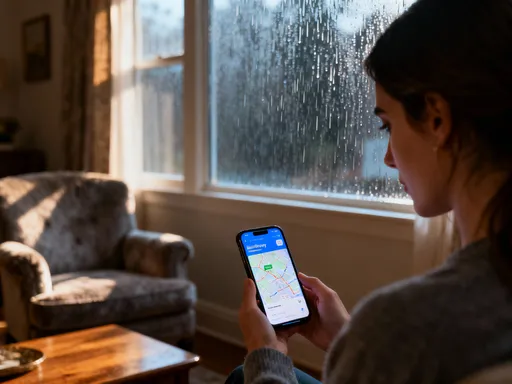
After 3 Trips with My Best Friend, This App Made Us 100% Stress-Free on the Road
Remember that moment when you’re abroad, standing in a crowded train station, both of you tired, one lost, and no one knows where the hotel is? My best friend and I lived that—more than once. But after our third trip together, we finally found a tool that changed everything. It didn’t just track our itinerary—it kept us connected, safe, and calm. This isn’t about fancy tech. It’s about peace of mind when you’re far from home, and someone who matters is by your side. We didn’t need more excitement. We needed less stress. And what we discovered wasn’t a miracle—it was simply a smarter way to travel together, one that honored our friendship instead of testing it.
The Trip That Almost Broke Our Friendship
We’ve been best friends for over 15 years. We’ve celebrated birthdays, supported each other through tough times, and laughed until our stomachs hurt. So when we started planning trips together, we assumed it would be easy—just more fun in new places. And for the most part, it was. But our third trip, a long weekend in Lisbon, nearly cracked something that had always felt unshakable.
It started with a delayed flight. Nothing major, but it pushed us behind schedule. By the time we landed, it was late, and the metro had already stopped running. We hadn’t pre-booked a transfer, and neither of us had downloaded an offline map. We stood in the airport terminal, tired and hungry, trying to figure out how to get to our Airbnb. One of us had the address in her notes app; the other didn’t. We tried to share it, but her phone battery died before she could save it. We ended up hailing a cab—overpaying, of course—and arriving after midnight, frustrated and already snapping at each other.
The next day, we missed our train to Sintra because we didn’t realize how long the walk to the station would take. Then, while exploring the old town, my friend wandered off to take photos and didn’t answer her phone for nearly 45 minutes. I panicked. I didn’t know where she was, and I couldn’t remember the name of our meeting spot. When she finally reappeared, smiling and unaware, I was furious. It wasn’t that she’d disappeared—it was that I felt helpless. I wanted to enjoy the trip, but I was too busy worrying.
That night, over a quiet dinner, we talked honestly. We weren’t mad at each other. We were exhausted. We realized we’d been treating travel like an extension of our everyday lives—winging it, assuming we’d figure things out. But travel doesn’t forgive small oversights the way home does. A forgotten address, a dead phone, a missed connection—each one added up, draining our energy and testing our patience. We loved each other, but we needed a better system. Not because we didn’t trust one another, but because we wanted to protect the joy of being together.
How We Discovered the Right Travel Safety Tool
When we got back, we decided to do something different. Instead of jumping into plans for another trip, we sat down with a notebook and wrote down every moment that had gone wrong in Lisbon. We weren’t looking for blame—we were looking for patterns. And what we found surprised us. Most of the stress didn’t come from big disasters. It came from tiny, fixable things: not knowing where the other person was, missing updates, forgetting details, or not having backup plans.
We wanted a solution that was simple, not complicated. We didn’t need another app that demanded constant attention or turned travel into a game of notifications. We needed something that worked quietly in the background—like a seatbelt or a good pair of walking shoes. Something that didn’t add to the load but helped carry it.
So we started testing. We tried a few popular travel apps—ones that promised itinerary management, shared calendars, and real-time updates. But most were either too clunky or too intrusive. One sent constant pings every time we moved. Another required us to log in multiple times a day just to see basic info. We almost gave up—until we found one that felt different.
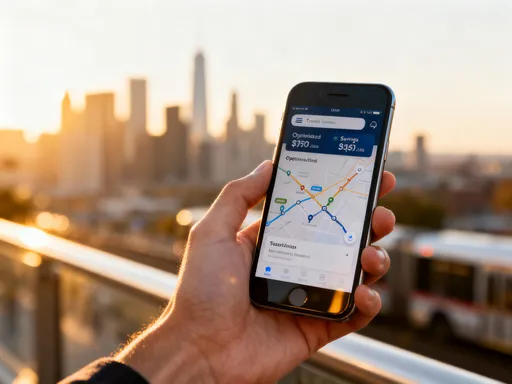
It wasn’t flashy. No bright colors, no gamified badges, no endless features. It had a clean, calm interface and did three things really well: shared location, itinerary tracking, and emergency alerts. But what made it special was how it felt—like it respected our time and space. We could set it to update only when we moved between major locations, not every few steps. We could save our hotel, flight details, and reservations—all visible to each other without having to text back and forth.
We tested it on a short weekend getaway first. I stayed at a cabin while she drove in from the city. With the app running, she sent a simple “On my way” message, and I could see her progress on a map—no calls needed. When she arrived, I was already outside waiting. It felt small, but it was a revelation. No guessing. No stress. Just smooth, quiet coordination. We knew then that this was the tool we’d been missing.
Turning Safety Into Shared Peace of Mind
The real change didn’t happen when we downloaded the app. It happened when we started trusting it—and each other—more. In Lisbon, we’d been in constant communication, but it was frantic. “Where are you?” “Did you get the address?” “Why aren’t you answering?” Now, we didn’t need to ask. We could see. And that shift—from asking to knowing—made all the difference.
On our next trip, to Kyoto, we arrived at the train station after a long flight. We were both tired, but instead of scrambling to find each other, we opened the app and saw green dots moving toward the same platform. No stress. No confusion. We met without a word, just smiles. Later, when my friend got delayed at a temple visit, I didn’t worry. The app showed her location still near the site, and a little “Running late” status popped up automatically. I adjusted my plans, sent a quick “No rush,” and went to grab tea. That small moment of calm would have been impossible before.
What we realized is that safety isn’t just about emergencies. It’s about reducing everyday uncertainty. When you’re traveling, even small unknowns can feel huge—especially when you’re with someone you care about. The app didn’t make us paranoid. It made us confident. We weren’t tracking each other like spies. We were looking out for each other like family.
And it wasn’t just about location. We saved our hotel info, train tickets, and even restaurant reservations in the app. If one of us forgot a detail, the other could pull it up instantly. No more frantic texting, no more “Wait, what time is dinner?” moments. It became our shared travel brain—a place where nothing got lost, and everything was just a tap away.
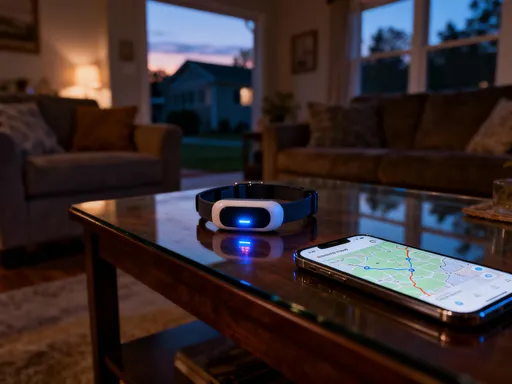
One evening, we got separated in a crowded market. In the past, this would have meant panic. But this time, I opened the app, saw she was just two blocks away, and calmly walked toward her. When we reunited, she laughed and said, “I didn’t even realize I was lost. I just followed the map back to you.” That’s when it hit me: the app wasn’t just helping us find places. It was helping us find each other.
Goal Tracking That Actually Worked—Without the Pressure
We’ve both tried fitness apps before—ones that track steps, calories, or water intake. But they always ended the same way: with guilt. Miss a day? The app shames you. Fall behind? It reminds you. We didn’t want that kind of pressure on vacation. But we did want to feel good—physically and emotionally. So we were surprised when the same app offered a gentle way to set personal goals—without judgment.
We decided to try it. Nothing intense—just small, fun challenges like “Walk 10,000 steps a day” or “Try one local dish we’ve never had before.” We could set them together, track progress, and even send little cheers when one of us hit a goal. No points. No rankings. Just encouragement.
It changed the way we moved through each city. Instead of rushing from one sight to the next, we started walking more—because we wanted to, not because we had to. We took longer routes through quiet neighborhoods, stopped at street food stalls, and explored parks we might have missed otherwise. One morning, I skipped breakfast to sleep in. Instead of nagging me, my friend sent a playful message through the app: “Save room for ramen?” I laughed, got up, and joined her for a late breakfast. It felt light. It felt kind.
These tiny moments added up. We weren’t just seeing more of the city—we were enjoying it more. The goals weren’t about achievement. They were about intention. They helped us slow down, savor the experience, and stay present. And because we were doing it together, it never felt like a chore. It felt like a game we both wanted to play.
One day, we both hit our step goals by mid-afternoon. The app sent a little celebration animation—confetti and a cheerful chime. We didn’t care about the animation. But we did care about what it represented: a shared win. We high-fived, bought iced teas, and sat in a garden to rest. That moment of connection—simple, joyful, unplanned—was worth more than any checklist.
How It Strengthened Our Friendship Beyond the Trip
When we got home, we expected to stop using the app. After all, we weren’t traveling anymore. But something unexpected happened—we didn’t want to let go of it. We started using it for weekend trips, solo outings, even regular days when one of us was doing something a little out of the ordinary, like hiking alone or visiting a new part of town.
For me, the biggest change was in how I felt when I traveled alone. I used to avoid it—partly because I missed her, but mostly because I didn’t want her to worry. Now, if I go on a solo hike, I turn on location sharing. It’s not because I think something will go wrong. It’s because I know it will make her feel better. And that, in turn, makes me feel freer. I can explore without checking my phone every five minutes to reassure her. She can relax, knowing she’d be alerted if I didn’t check in.
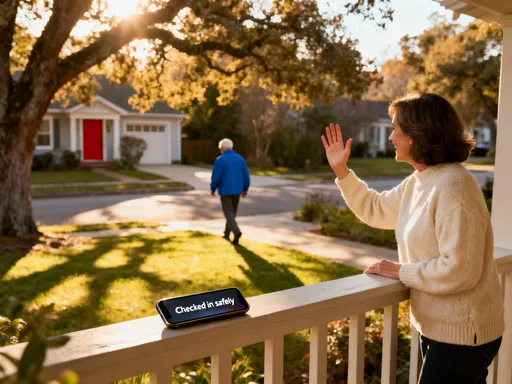
We’ve also used it during tough times. When she was going through a rough patch last year, I could see when she left the house—even if she didn’t feel like talking. It wasn’t about surveillance. It was about care. A simple “Glad you got out” text meant more than she realized. The app became a quiet way to say, “I’m here,” even when we weren’t in the same room.
It didn’t replace our friendship. It deepened it. We already cared about each other deeply. But now, we had a tool that let that care show up in practical, meaningful ways. It turned protection into a habit. Not because we were afraid—but because we were committed to each other’s well-being, no matter where we were.
Sometimes, I think about how many little moments of stress we’ve avoided because of this app. Not just during travel, but in everyday life. It’s become part of our rhythm—like calling on Sundays or sharing recipes. It’s not perfect. We still forget to turn it on sometimes. But when we do, it feels like putting on a coat before stepping into the rain—simple, thoughtful, and quietly reassuring.
Simple Setup, Real-Life Benefits
One of the best things about this tool is how easy it was to set up. We didn’t need a tech manual or a tutorial. We downloaded the app, created a shared group, and linked our calendars. We added our emergency contacts—our siblings, in case something serious happened. We chose what to share: location, itinerary, and goals. We decided not to share every little movement—just major transitions, like leaving a hotel or arriving at a station.
The first few days, we checked in more often—just to get used to it. But over time, it became automatic. Now, we don’t even think about it. It’s like locking the door when we leave the house. We do it without effort, because we know it matters.
We also learned that consistency matters more than perfection. We don’t have to use it every single day. We don’t have to track every step or save every detail. But when we do use it, it works. And that reliability has built trust—not just in the app, but in our ability to support each other, even from a distance.
One thing we adjusted was notification settings. At first, we had too many alerts. We turned most of them off and kept only the ones that truly mattered—like if one of us was delayed or if a reservation time was approaching. We didn’t want to be distracted. We wanted to be informed—only when it counted.
The beauty of it is that it fits into real life. It doesn’t demand attention. It gives it back. We’ve reclaimed hours we used to spend on frantic calls, lost messages, and last-minute scrambles. And what we’ve done with that time—more walks, deeper conversations, longer meals—has made all the difference.
Why This Matters for Every Traveler with a Loved One
You don’t have to be best friends. You don’t have to be traveling across the world. This isn’t just for adventures. It’s for anyone who’s ever felt that little knot of worry when a loved one is out of sight—whether they’re on a weekend road trip, visiting family, or just running errands in a new part of town.
Traveling with someone you care about should feel joyful—not stressful. It should be about making memories, not managing crises. And while no app can guarantee perfect trips, this one helped us protect what mattered most: our time, our energy, and our connection.
We didn’t bring home fancy souvenirs from Kyoto. No trinkets, no tote bags. What we brought back was something deeper: the feeling of being seen, supported, and safe. We learned that technology doesn’t have to feel cold or complicated. When it’s designed with care, it can feel like a hug. It can say, “I’ve got you,” without saying a word.
If you’re planning a trip with someone you love—your sister, your mom, your best friend—consider giving this a try. Not because you expect something to go wrong. But because you want everything to go right. Because you want to focus on the laughter, the quiet moments, the shared glances that make travel special. Because you want to be present—not distracted by worry.
In the end, it’s not about the app. It’s about what it makes possible. It’s about more peace, more joy, and more of the people who matter most. And isn’t that what we all want—not just on the road, but in life?