Tired of Guessing How Your Child Really Feels? This Tool Helped Us Connect Without the Guesswork
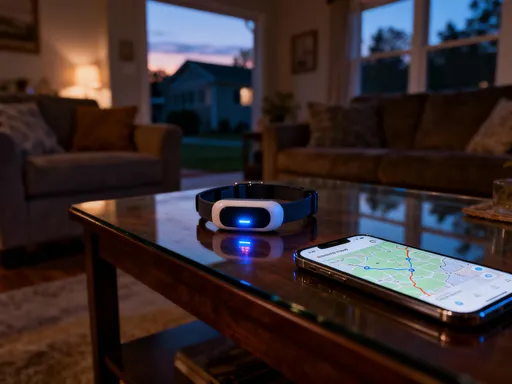
Tired of guessing how your child really feels? You’re not alone. In our house, we once had a smartwatch for every family member, sleep trackers on the nightstand, and apps that promised to tell us everything about our health. But one quiet evening changed everything. My daughter sat at the table, barely touching her dinner, eyes distant. I checked her wearable—sleep was good, heart rate normal, steps on track. According to the data, she was fine. But I knew she wasn’t. That moment hit me hard: we’d been letting numbers speak for her, while her real voice was getting quieter. What if, instead of relying on tech to tell us how she was doing, we used it to help her open up? That’s when we stopped treating her health data like a report card and started seeing it as a conversation starter. And everything changed.
The Moment Everything Changed: When Numbers Failed Us
It started with a Tuesday night. Nothing special—homework, dishes, the usual routine. But my daughter, usually chatty after school, was unusually quiet. She kept pulling her sleeves down, avoiding eye contact. I noticed it, of course, but I also checked her smartwatch data. Her heart rate was within the normal range. Her sleep from the night before? Seven and a half hours—better than mine. The app even gave her a daily ‘recovery score’ of 83%. On paper, she was thriving. But her energy, her spark—something was missing.
I tried to ask, “You okay?” like I always did. She nodded, mumbled something about math being hard, and went to her room. Later that night, I couldn’t shake the feeling. I pulled up her wearable’s dashboard again, scrolling through graphs and color-coded insights. Everything looked green. But my gut said red. That’s when it hit me: we’d outsourced our intuition. We’d let a little device on her wrist do the emotional detective work for us. And in doing so, we’d stopped paying attention to the subtle cues only a parent can see—the way she held her shoulders, the pause before answering, the tone in her laugh when it didn’t quite reach her eyes.
The next morning, instead of checking the app first thing, I waited until she was up. I made pancakes, her favorite, and sat with her. No devices. No data. Just us. I said, “You seemed a little off last night. I’m not asking because your watch said anything—I’m asking because I noticed you.” She looked surprised. Then she sighed. “I didn’t want to worry you,” she said. A friend had said something hurtful at school. She didn’t want to talk about it—until someone actually saw her, really saw her. That was the turning point. We didn’t throw out the tech. But we stopped letting it speak for her. From then on, data didn’t replace conversation—it invited it.
The Misconception: More Data Doesn’t Mean More Understanding
We’ve all been sold the same promise: more data equals more control. More insight. More peace of mind. As parents, we’re especially vulnerable to this idea. We want to protect our kids, to catch problems before they grow. So we track sleep, monitor activity, even set alerts for abnormal heart rates. But here’s the truth no app will tell you: raw numbers don’t carry emotion. A heart rate spike could mean anxiety, excitement, or just a sprint to catch the bus. Seven hours of sleep might be enough for one child, while another needs nine to feel grounded.
We were guilty of this too. We treated her wearable like a crystal ball, searching for signs of trouble in the graphs. But in doing so, we were focusing on symptoms, not causes. We’d see a low activity score and assume she was sad. But sometimes she was just reading a great book. We’d see a restless night and jump to conclusions—was she stressed? Having trouble at school? The data gave us anxiety, not answers. The irony? We thought we were being more attentive, but we were actually becoming more distracted—by screens, by alerts, by the illusion of control.
What we realized was this: data without context is just noise. And as parents, our job isn’t to collect data—it’s to understand our children. That understanding doesn’t come from a dashboard. It comes from sitting beside them on the couch, from walking with them to the bus stop, from the quiet moments when they finally say, “Actually, I’ve been feeling kind of overwhelmed.” The tech wasn’t the problem. Our expectations were. We weren’t using it to support our parenting—we were using it to substitute for it. And that’s when we decided to change the way we looked at every number, every graph, every alert.
Reframing Health Data: From Monitoring to Meaning-Making
So how did we shift? We stopped calling it ‘monitoring’ and started calling it ‘noticing.’ Instead of asking, “Why was your heart rate high at 3 p.m.?” we began asking, “What were you doing around 3 p.m. yesterday? Did anything exciting happen?” That small change in language made a huge difference. We weren’t interrogating—we were inviting. The data became a clue, not a verdict.
One morning, her wearable showed an elevated resting heart rate. In the past, I might have jumped in with concern: “Are you feeling okay? Is something wrong?” This time, I waited. At breakfast, I said, “Hey, your body seemed a little more alert than usual this morning. Did you have a big dream? Or were you thinking about something?” She smiled. “I was nervous about my science presentation,” she admitted. “I didn’t sleep great.” That opened the door. We talked about what made her anxious, what kind of support she wanted, and how I could help without taking over. The number didn’t tell me she was nervous—but it gave me a reason to ask.
This wasn’t about fixing anything. It was about connecting. Over time, she started noticing her own patterns. “Mom, my sleep score was low—I stayed up thinking about the trip,” she’d say. Or, “My steps were high today! We played tag at recess.” The device didn’t talk to us, but it helped us talk to each other. We weren’t analyzing data—we were building a shared language around how she felt, how her body responded, and what she needed. That’s when the real shift happened: the tech didn’t make us closer. It gave us a new way to be close.
How We Made It Work: Simple Routines That Built Connection
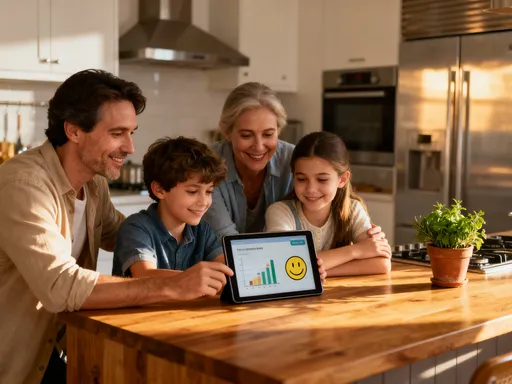
None of this happened overnight. We had to build new habits—small, consistent moments where tech and talk came together. One of the most powerful was our ‘morning check-in.’ After brushing her teeth, she’d glance at her wearable, and we’d spend five minutes chatting. Not about scores or goals, but about how she felt. “Your sleep looked a little restless—did you wake up?” I’d ask. Or, “Your activity was high yesterday—what made you move so much?”
Another ritual was our weekend walk. We’d leave our phones at home and just walk around the neighborhood. Sometimes, she’d bring up her data herself. “I didn’t hit my step goal this week,” she’d say. Instead of jumping in with advice, I’d ask, “Does that matter to you? Or is it just a number?” She once said, “I don’t care about the number, but I do want to feel like I’m moving enough.” That led to a conversation about how movement makes her feel—energized, clear-headed, less stuck. We even started planning ‘movement adventures’—bike rides, dance breaks, nature hikes—not to hit a target, but to enjoy being active together.
The key was consistency and tone. We never used the data to judge, compare, or pressure. It wasn’t, “You only slept six hours—what happened?” It was, “You seemed tired this week. Want to talk about it?” Those small moments became bridges. They weren’t about fixing problems—they were about staying connected, even when life got busy. And the beautiful thing? She started initiating the conversations too. “Mom, my heart rate spiked during math today,” she said one afternoon. That led to a talk about test anxiety and what helps her feel calm. The tech didn’t create the connection—but it gave us a safe, neutral way to start.
The Role of Privacy: Respecting Boundaries While Staying Close
As she got older, privacy became more important. We had a family talk about it. “This device is yours,” I told her. “You decide what to share, when to share it, and with whom.” We turned off shared access to her data on my phone. The wearable stayed on her wrist, but the control stayed in her hands. At first, I worried I’d be in the dark. But the opposite happened.
Because she knew she had a choice, she started sharing more. She’d show me her sleep score if she was proud of it. She’d mention a high heart rate if she wanted to talk about it. But she also didn’t have to. There were days when she said, “I don’t want to talk about it,” and that was okay. The boundary didn’t push us apart—it brought us closer. She knew I wasn’t watching her every move. I was there when she wanted me.
This wasn’t just about respect—it was about trust. When kids feel trusted, they’re more likely to open up. When they feel monitored, they shut down. We made it clear: the tech wasn’t a surveillance tool. It was hers. Her body. Her data. Her choice. And because of that, she began to see it as a tool for self-awareness, not parental control. She started tracking patterns on her own, noticing when stress showed up in her sleep, or how her mood changed after certain activities. The device became a mirror, not a report card. And I became a listener, not an auditor.
What We Gained: Deeper Conversations, Less Anxiety
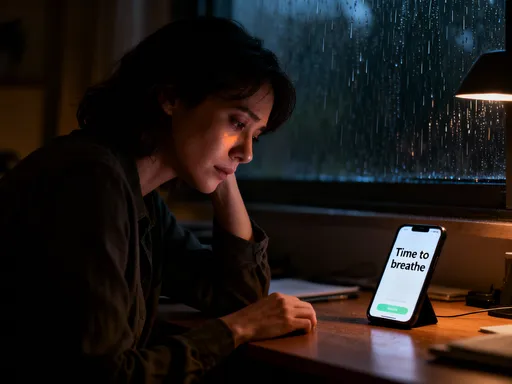
Over time, something remarkable happened—we all became less anxious. Not because the data got better, but because we stopped obsessing over it. We weren’t scanning for red flags anymore. We were living, talking, noticing. The wearable didn’t fix her anxiety, but it helped us understand it. We learned that her spikes weren’t random—they often happened before group projects or presentations. That wasn’t a flaw. It was information. And with that information, we could prepare. We practiced breathing techniques. We talked about what support looked like. We even role-played tough situations.
But the biggest change was in our relationship. We weren’t just parent and child—we were teammates. We celebrated small wins: a calm morning, a full night’s sleep, a brave conversation. We didn’t chase perfect scores. We chased connection. And in the process, she grew more confident. She started recognizing her own emotions, naming them, and asking for what she needed. “I think I need a quiet evening,” she’d say. Or, “I’m feeling overwhelmed—can we talk?” That kind of self-awareness didn’t come from the device. It came from the space we created together—space where data wasn’t the boss, but a gentle nudge toward deeper understanding.
I’ll never forget the day she said, “Mom, I like that we talk about this stuff. It makes me feel like you really see me.” That was the moment I knew we’d gotten it right. We hadn’t used tech to fix her. We’d used it to see her—more clearly, more compassionately, more completely.
A New Way Forward: Tech That Serves Your Family, Not the Other Way Around
This journey wasn’t about one gadget or app. It wasn’t about finding the perfect tracker or the most advanced algorithm. It was about mindset. About asking: who’s in charge here? Is tech serving our family, or are we serving it? For so long, we let the data dictate our emotions. A low sleep score meant worry. A high heart rate meant concern. But now, we let our relationship dictate how we used the data. We became the interpreters. The listeners. The ones who cared more about the story behind the number than the number itself.
Every family is different. Maybe your child isn’t ready for a wearable. Maybe you use a journal instead of an app. That’s okay. The point isn’t the tool—it’s the intention. Are you using technology to connect, or to control? To understand, or to monitor? To support growth, or to chase perfection? When we shifted our focus from metrics to meaning, everything changed. We stopped seeing health data as a report on performance and started seeing it as a window into our child’s inner world.
And here’s the beautiful truth: no algorithm can replace a mother’s intuition. No dashboard can capture the quiet strength in a child’s voice when they finally say, “I’m okay, but I wasn’t earlier.” But tech, when used with care and love, can help us get there faster. It can help us notice. It can help us ask better questions. It can help us say, “I see you,” in a hundred small ways.
So if you’re standing where I once stood—staring at a screen, wondering if your child is really okay—take a breath. Put the device down. Look them in the eye. Then, when the time is right, maybe let that same device help you start the conversation you’ve been waiting for. Because the goal isn’t perfect data. It’s deeper connection. And that’s something no app can deliver—but you can.