I used to miss every delivery — how a food app finally gave me peace of mind
We’ve all been there—staring at the clock, wondering if the driver has arrived, only to realize the food’s been sitting at the door for 20 minutes. I used to stress constantly, missing packages or letting meals get cold. But lately, something’s changed. A simple tweak in how I use my food delivery app transformed chaos into calm. It’s not magic—it’s just smart tech working the way it should. And honestly, it’s made my daily life feel lighter, more in control. What used to be a source of daily frustration is now one of the smoothest parts of my routine. If you’ve ever felt anxious about missing a delivery, this might just change your life too.
The Chaos of Missed Deliveries
Life doesn’t stop just because dinner is on its way. Between work emails, helping kids with homework, folding laundry, and trying to squeeze in a moment of quiet, it’s easy to lose track of time. I used to live in a constant state of low-grade panic every time I ordered food. Was the delivery here yet? Did I miss the knock? Was the bag sitting outside in the rain? I remember one evening when I was on a Zoom call with my sister—laughing, catching up, finally feeling relaxed—only to look at the time and realize my order had been dropped off 35 minutes earlier. The pasta was cold, the garlic bread soggy. It wasn’t just the ruined meal that bothered me. It was the helplessness. I had no idea when the driver came and went. There was no way to know until I checked my phone, and by then, it was too late.
This wasn’t a one-time thing. It happened often enough that I started avoiding delivery apps altogether. I’d tell myself, “Just cook tonight,” even when I was exhausted. Or I’d hover by the door, jumping at every sound, which only made me more anxious. The irony? I was using technology to make life easier, but instead, it was adding stress. I wasn’t in control—I was at the mercy of a system I didn’t fully understand. And I know I’m not alone. So many women I talk to—moms, professionals, caregivers—share the same story. We’re juggling so much, and when even a small thing like dinner delivery goes wrong, it feels like the whole day is unraveling.
What I didn’t realize then was that the solution wasn’t in doing more. It wasn’t about setting more alarms or asking neighbors to watch my door. It was about using the tools I already had—just a little differently. The real change came when I stopped seeing the app as just a way to order food and started seeing it as a way to manage my time, my energy, and my peace of mind.
Discovering the “Where’s My Food?” Feature
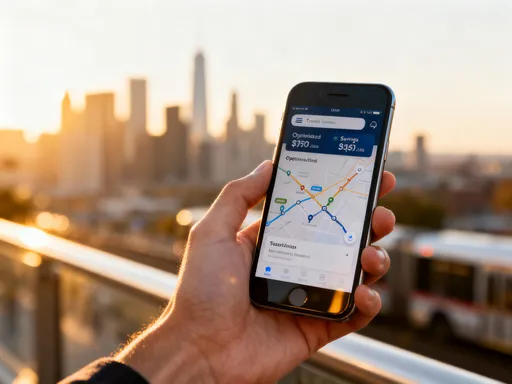
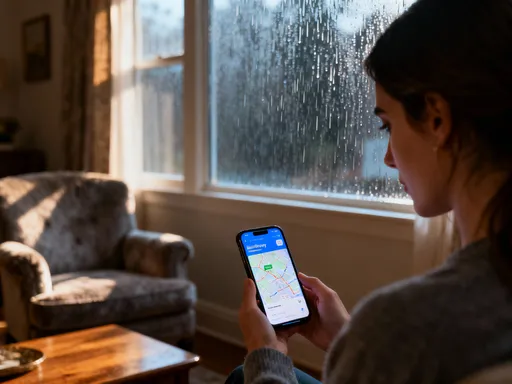
It happened on a rainy Thursday evening. I was tired, the kids were cranky, and I just wanted a simple dinner without lifting a finger. I opened my usual food app, ordered a warm bowl of soup and a sandwich, and went back to helping my daughter with her spelling test. A few minutes later, out of habit, I opened the app again—and this time, I noticed something I’d never paid attention to before: a little map with a moving blue dot. It said, “Your driver is on the way.” I tapped it, and suddenly, I could see the driver’s exact location, a countdown to arrival, and even the name of the restaurant they were leaving. My heart actually slowed down. For the first time, I wasn’t guessing. I wasn’t worrying. I knew.
That night, I watched the dot move closer—down the highway, onto my street, past the grocery store, and finally, to my block. Five minutes before arrival, I got a quiet notification. I finished up with my daughter, walked to the door, and greeted the driver with a smile. The food was warm. The moment felt… normal. But it wasn’t normal. It was revolutionary. Because for the first time, I wasn’t reacting to delivery—I was planning around it. I wasn’t stressed. I was prepared. That little map didn’t just show me where my food was. It gave me back a sense of agency. It reminded me that I didn’t have to be overwhelmed. Technology, when it works right, can be quietly powerful.
Since then, I’ve made this feature part of every order. It’s not just about convenience—it’s about confidence. I don’t have to drop everything and hover. I can trust the process. And that trust has spread into other parts of my day. If I can rely on this one small thing, maybe I can relax a little more in other areas too. That’s the thing about peace of mind—it often starts with something small, something practical, something that just… works.
How Real-Time Tracking Works (Without the Tech Jargon)
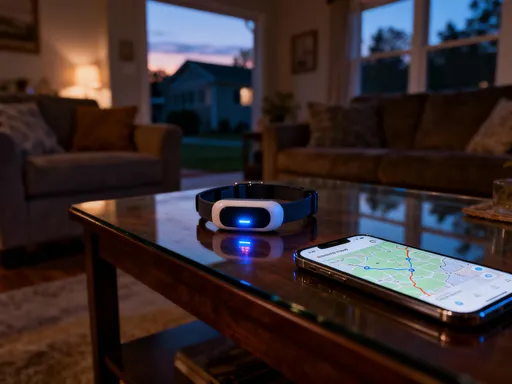
You don’t need to be a tech expert to understand or use real-time tracking. Think of it like a ride-share app—when your driver picks up your order, their phone starts sending location signals to the app. The app collects that data and shows it as a moving dot on a map. It’s updated every few seconds, so what you’re seeing is almost exactly where the driver is right now. No magic, no mystery. Just a clear, live picture of your delivery’s journey.
The best part? It’s completely automatic. You don’t have to turn it on, set it up, or pay extra. As long as location services are enabled on the driver’s phone—and they usually are—it just works. I used to think this kind of feature was only for high-end apps or special subscriptions. But most major food delivery platforms have it built in now. You just have to know where to look. It’s usually right on the order confirmation screen, labeled something like “Track Your Order” or “Live Driver Map.” A quick tap, and you’re in.
What’s amazing is how much a simple visual can do for your stress levels. Instead of imagining the worst—“Did they leave already?” “Is the food ruined?”—you see the truth. You see the driver stopping at a red light, turning onto your street, pulling up to the curb. It’s grounding. It brings you out of your head and into the moment. And for someone like me, who tends to overthink, that’s a gift. This isn’t about being glued to your phone. It’s about checking once, seeing the update, and then going back to your life—calmer, more informed, and more in control.
Setting Smart Notifications That Actually Help
Here’s something I learned the hard way: not all notifications are created equal. The default alerts on most apps are either too vague (“Your order is on the way”) or too late (“Your food has been delivered”). By the time I got those, the driver was already gone. So I started digging into the app settings—and that’s when I discovered I could customize when and how I got alerts.
Now, I set two key notifications: one when the driver is about five minutes away, and another the moment they arrive. The five-minute warning gives me time to wrap up what I’m doing—pause the podcast, save my work, tell the kids dinner’s almost here. The arrival alert confirms they’re at the door, so I can greet them if I’m free or check the drop-off if I’m not. Some apps even let you add a delivery instruction with a voice note or text—like “Please leave it in the basket by the back door” or “I’ll come out in 30 seconds, can you wait?” That little bit of communication makes a huge difference. It turns a transaction into a connection.
Customizing alerts has also helped me avoid the “notification overload” that used to make me ignore them altogether. Before, I’d get pings for every update—order confirmed, restaurant preparing, driver assigned, driver arrived, driver left—until I was numb to them all. Now, I only get the ones that matter. It’s like teaching the app to speak my language. And the result? I pay attention when it matters. I feel heard. I feel supported. It’s a small change, but it’s made my relationship with technology feel more human.
Sharing Access with Family—Without the Chaos
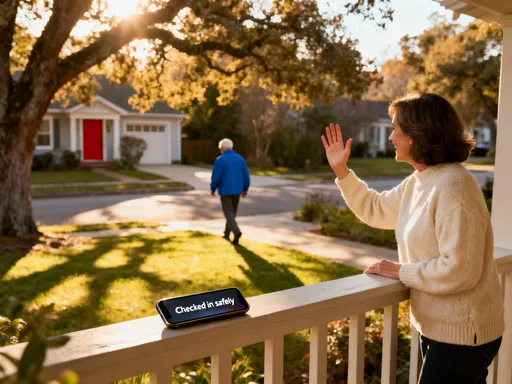
One of the most underrated features? The ability to share delivery updates with someone else. I now share my order status with my husband. When he’s home, he gets the same real-time map and notifications on his phone. If I’m in the shower or on a call, he can grab the food, bring it inside, and send me a quick text: “Got it. Smells amazing.” No more frantic calls. No more “Did you get the food?” texts at the worst possible moment. We’re both in the loop, and it’s reduced so many little tensions.
This has been especially helpful on busy weekends or when one of us is out running errands. If I’m at the grocery store and dinner is arriving, I can see the map too—and so can he. We can decide together who’s closer, who can handle it. It’s not about passing the buck. It’s about teamwork. And for a family that’s always moving, that kind of coordination is gold. I’ve even shared access with my sister when she’s babysitting. She can track the order, know when to expect it, and feel confident handling the drop-off. It’s one less thing I have to worry about when I’m away from home.
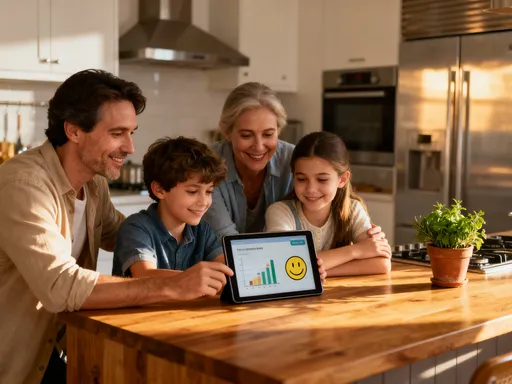
What I love most is how this feature strengthens our sense of partnership. We’re not just sharing a house—we’re sharing responsibility, information, and peace of mind. Technology often gets blamed for pulling families apart, but in this case, it’s doing the opposite. It’s helping us stay connected, even when we’re in different rooms or different places. It’s not replacing conversation. It’s making our lives easier so we can have better conversations.
Feeling More in Control of Daily Routines
When I know exactly when dinner is arriving, everything else in my day starts to flow better. I can plan my afternoon around it. I’ll schedule a workout knowing I’ll be home in time. I’ll start a load of laundry and know I won’t miss the delivery while it’s spinning. I’ll take a long shower without guilt, because I can check the map from my phone. It’s not about rigid scheduling. It’s about creating space—space to breathe, to move, to live without constant interruptions.
This sense of control has quietly spilled into other areas of my life. I’m less reactive. I’m more present. I’m not jumping at every noise, wondering if it’s the doorbell. I’ve started applying the same mindset to other tasks—using calendar reminders for school pickups, setting up automatic bill payments, organizing my pantry with labeled bins. Small systems, big results. When one part of your life feels smoother, it gives you the energy to improve others.
And honestly, I’ve noticed a shift in my mood. I’m calmer. I’m less frazzled. I have more patience with my kids, more focus at work, more joy in simple moments. I used to think peace of mind was something you had to earn through perfect organization or endless self-care routines. But sometimes, it comes from a single feature in an app you’ve had for years. It’s not about doing more. It’s about using what you have—wisely, kindly, and with intention.
Small Tech, Big Impact—More Than Just Food
This journey with food delivery apps taught me something bigger: good technology shouldn’t demand your attention. It should support your life. It should work quietly, solve real problems, and disappear into the background. When it does, it gives you back something priceless—time, calm, confidence. I’m not saying every app is perfect. But when one small feature can reduce daily stress, improve family coordination, and help you feel more in control, it’s worth paying attention to.
What started as a way to avoid cold meals has become a lesson in trusting the tools I already own. It’s made me more open to exploring other features—like saving favorite orders, using dietary filters, or scheduling deliveries in advance. I’m not chasing the latest gadget. I’m getting better at using what’s already in my pocket. And that feels like real progress.
So if you’re still missing deliveries, still stressing over dinner, still feeling like technology is working against you—try this. Open your app. Look for the map. Turn on smart notifications. Share the update with someone you love. You might be surprised at how much peace can come from knowing exactly where your food is. Because at the end of the day, it’s not just about eating warm meals. It’s about feeling seen, supported, and in charge of your life—one small, smart choice at a time.