Tired of feeling stuck when sharing your ideas online? Here’s how I finally found my voice in a learning community
Have you ever typed out a thought, read it back, and thought, “This sounds nothing like me”? You’re not alone. I used to dread posting in online groups—worried my words weren’t smart enough, clear enough, or “right” somehow. But over time, something shifted. By joining the right kind of learning community and leaning into small, consistent steps, I didn’t just improve how I express myself—I started feeling more confident, connected, and truly heard. This is the quiet transformation tech can quietly power when it serves people, not the other way around.
The Moment I Realized My Words Didn’t Match My Thoughts
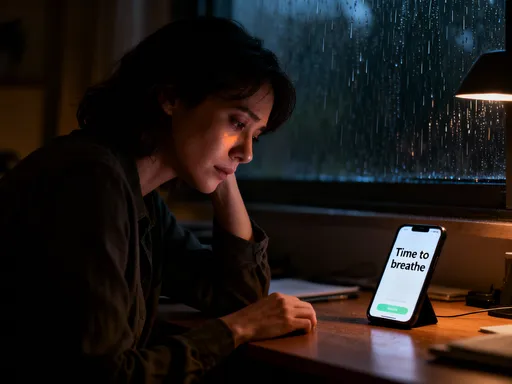
It was a quiet Tuesday evening, and I was sitting at my kitchen table with my laptop open, sipping chamomile tea. My daughter was upstairs doing homework, the dog curled at my feet, and the world felt still. I had just finished reading a post in an online learning group about creative journaling—a topic I loved. My mind buzzed with ideas. I wanted to share how I’d started using bullet journals to plan family meals and track my morning walks. It felt meaningful, personal. But when I clicked “Reply” and stared at the blank box, my thoughts scattered like leaves in the wind.
I typed: “I’ve been trying something similar with my weekly routine.” Then deleted it. Tried again: “This is really helpful—thank you!” Also deleted. Nothing felt true. Nothing sounded like *me*. I closed the laptop, frustrated, telling myself, “Maybe next time.” This wasn’t the first time it happened. In fact, it was a pattern. I’d read so many posts, nodding along, feeling inspired, but staying silent. And each time I stayed quiet, that little voice inside whispered: You don’t have anything valuable to say.
Looking back, I realize this wasn’t about intelligence or education. I’ve written reports for work, helped my kids with essays, even led a church volunteer group. I *can* communicate. But online, something felt different. There was no tone of voice, no facial expression—just words on a screen. And for a while, I thought I needed to sound like everyone else: sharper, faster, more polished. I didn’t understand yet that the goal wasn’t to sound smarter. It was to sound like myself. And to do that, I needed more than just a Wi-Fi connection. I needed a space where I could grow, slowly and safely.
Finding a Community That Felt Safe, Not Overwhelming
I remember the first time I stumbled upon the learning community that changed everything. It was through a friend’s recommendation—she said, “It’s small, kind, and nobody’s trying to be famous.” I was skeptical. Most online spaces I’d seen were noisy. People racing to be first, dropping hot takes, sometimes even arguing over minor details. I didn’t want to add to that noise. But this group was different. When I joined, the welcome message didn’t say, “Post something now!” Instead, it said: “Lurking is welcome. Reading is participating. We’re glad you’re here.” That one sentence made me exhale.
Over the next few weeks, I just read. I noticed how people responded to each other—not with quick corrections or debates, but with curiosity. Someone would share a struggle with time management, and instead of jumping in with solutions, members would write: “That sounds tough. What’s been the hardest part?” Or: “I’ve felt that way too. Can I ask what helped you get started?” There was an emphasis on listening, not winning. And slowly, I began to feel something I hadn’t expected: safe.
Psychological safety—what a powerful thing. It’s not just about being polite. It’s about knowing you won’t be judged for being incomplete, for being in the middle of learning. This community was designed that way. There were no public follower counts. No likes or rankings. Just real people, trying to grow. They used gentle moderation, clear guidelines about respect, and weekly prompts that invited reflection instead of performance. One prompt asked: “What’s one small thing you’re trying this week to care for yourself?” Simple. Human. And suddenly, I wasn’t comparing myself to influencers or experts. I was just… me. And that was enough.
Starting Small: My First Real Contribution (And Why It Mattered)
My first real post wasn’t dramatic. It wasn’t a viral insight or a moving story. It was three sentences. I saw someone ask, “Does anyone else struggle with remembering to drink water during the day?” And for once, I didn’t overthink it. I just typed: “Yes! I keep a reusable bottle on my desk. I mark it with tape at each hour—I aim to finish one section by noon, another by 3 PM. Not perfect, but it helps.”
I hit “Post” and then immediately closed the app, heart pounding. I came back an hour later, afraid of crickets or, worse, correction. But instead, there were two replies. One said: “Love the tape idea—I’m stealing that!” The other: “Thanks for sharing. I needed this reminder today.” No judgment. No pressure. Just connection. And suddenly, I felt seen. Not because my idea was brilliant—but because I had shown up.
That tiny interaction did something unexpected: it rewired a little piece of my brain. Scientists call it neuroplasticity—the idea that our brains change based on repeated experiences. Every time I spoke up and was met with kindness, it strengthened the belief: You are allowed to be here. Your voice matters. The next time I posted, it was a little easier. Then a little easier again. I started with reactions—clicking a heart on a post that resonated. Then short replies. Then longer shares. Each one was a brick in a path I didn’t even know I was building. And the community’s design helped. Features like private drafts let me write and walk away, come back later. Comment previews meant I could see how my words looked before sharing. These weren’t flashy tools, but they gave me breathing room—space to be thoughtful, not rushed.
Learning by Watching: How Others Helped Me Find My Voice
One of the most surprising parts of my journey was realizing I didn’t have to figure everything out on my own. I learned just by reading—by paying attention to how others communicated. There was Maria, a retired teacher, who responded with such clarity and warmth. She didn’t use big words, but her posts were always thoughtful. She’d say things like, “I hear you saying this feels overwhelming. What if you tried breaking it into three small steps?” Her tone was gentle, like a hand on your shoulder.
Then there was James, a quiet guy who shared minimal but powerful reflections. He’d write things like: “I tried meditating for five minutes. Felt restless. Sat through it anyway. Felt calmer after.” No fluff. No performance. Just honesty. And there was Amina, a nurse and poet, who wrote in flowing paragraphs that felt almost musical. She’d describe her garden, then connect it to a life lesson: “The roses grow best when I don’t force them. Maybe that’s true for me too.”
Watching these different styles opened something in me. I didn’t have to choose one “right” way to write. I could borrow a little from Maria’s kindness, a little from James’s honesty, a little from Amina’s metaphor. Over time, I began to notice my own voice emerging—not a copy of anyone else, but something authentic, shaped by what I valued: honesty, warmth, and small, practical truths. And the best part? No one was teaching me directly. There were no lectures or tutorials. It was just the quiet mentorship of reading people who shared openly, without needing to impress.
Tools That Nudged Me Forward—Without Taking Over
As I grew more confident, I started using simple tech tools not to replace my voice, but to support it. One of my favorites was the built-in draft preview. I’d write a response, walk away to fold laundry or make dinner, then come back with fresh eyes. Seeing my words on screen—without emotion attached—helped me spot where I was rambling or unclear. It was like having a mirror for my mind.
Another tool I used sparingly was a word suggestion feature—like a gentle nudge when I was stuck on a sentence. Once, I wrote: “I feel like I’m not getting better at this.” The tool suggested: “I’m still learning, and that’s okay.” I didn’t take the exact words, but the reframe helped me revise: “This is hard, but I’m making progress—even if it’s slow.” The tool didn’t write for me. It just helped me find my own words.
There were also structured prompts: daily or weekly questions like, “What’s one thing you learned this week?” or “What’s a challenge you’re facing, and what’s one small step forward?” These weren’t tests. They were invitations. And because they were open-ended but focused, they gave me a starting point without boxing me in. I didn’t have to invent a topic. I just had to show up and answer honestly. Over time, these small supports became like training wheels on a bike—helpful when I was starting out, but easy to let go as I gained balance. The tech didn’t take over. It just held space for me to grow.
From Hesitant to Confident: How My Writing (and Thinking) Evolved
About six months after I started participating regularly, I noticed something surprising: my thoughts were clearer—not just online, but everywhere. At work, during team meetings, I found myself speaking up more. I’d pause, gather my thoughts, and say, “I think we could try this approach,” instead of staying silent. With my family, our conversations felt deeper. I wasn’t just reacting; I was reflecting. My teenage daughter even said, “Mom, you’ve been asking better questions lately.”
Writing in the community had done more than improve my expression—it had sharpened my thinking. When you take the time to shape your ideas into words, you understand them better. It’s like the difference between having a messy closet and organizing it drawer by drawer. At first, everything feels jumbled. But once you sort it, you see what you have, what you need, and what you can let go. That’s what writing did for me. I started noticing patterns in my own habits, naming emotions I used to ignore, setting intentions instead of drifting.
And the feedback loop was real. The more clearly I wrote, the more thoughtful responses I got. The more I was heard, the more I wanted to contribute. It wasn’t about popularity—it was about resonance. I wasn’t trying to go viral. I just wanted to connect. And slowly, I was becoming someone who could say what she meant, and mean what she said. That kind of confidence doesn’t come from outside praise. It grows from the inside, one honest sentence at a time.
Why This Matters Beyond the Screen
Last weekend, I hosted a small garden gathering for a few friends. As we sat outside with tea and muffins, one of them said, “You’ve changed over the past year. You seem… lighter. More sure of yourself.” I smiled, not because I felt perfect, but because I felt real. I told her about the community—how a simple online space had become a quiet sanctuary for my voice.
What happened online didn’t stay online. It spilled into my daily life. I started journaling more. I joined a local book club and actually shared my thoughts instead of just listening. I even signed up for a beginner’s watercolor class—something I’d always wanted to try but talked myself out of. Each step felt less intimidating because I’d already practiced being imperfect in the digital space.
That’s the quiet power of technology when it’s designed with care: it doesn’t shout. It doesn’t demand your attention or your data. It simply creates a space where you can grow at your own pace. It reminds you that your voice matters—not because it’s loud, but because it’s yours. And in a world that often feels fast and noisy, that kind of support is precious. So if you’ve ever felt stuck, unsure how to share your thoughts, I’ll say what I wish someone had told me: You don’t have to be perfect. You don’t have to be first. You just have to begin. And sometimes, the right little corner of the internet can be the safest place to do that. Because at its best, tech doesn’t change who you are. It helps you become more of who you already are.”