What If Your Alarm System Knew It Was Bedtime?
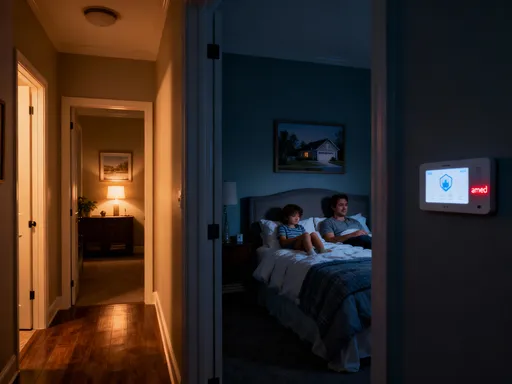
Imagine tucking your kids in, brushing your teeth, and knowing—without lifting a finger—that your home is already securing itself. No forgotten arming sequences, no midnight panic over unlocked doors. The house just... knows. It’s not magic, and it’s not something out of a sci-fi movie. This quiet, seamless protection is already happening in homes across the country. Modern security alarm systems can now adapt to your bedtime rhythm, turning a nightly chore into an effortless, silent routine. And for busy moms, tired parents, and anyone who just wants one less thing to worry about at night, that peace of mind is priceless.
The Quiet Chaos of Bedtime (And Why Security Often Slips Through)
Let’s be honest—bedtime in most homes isn’t peaceful. It’s a whirlwind of last-minute snacks, forgotten homework, tooth-brushing battles, and one more story that turns into three. By the time the kids are finally asleep, your brain is running on fumes. You’re mentally already planning tomorrow’s school lunches or that work meeting you forgot to prep for. In that haze, small but critical things slip through the cracks. Like whether you remembered to arm the alarm. Or if the back door—the one the dog used earlier—was actually locked.
It happens to the best of us. One minute you’re proud of getting everyone to bed on time, and the next, you’re wide awake at 2 a.m., heart pounding, wondering, Did I lock the patio door? You tiptoe downstairs, half-afraid of what you’ll find, only to discover it was indeed left open. Or worse—someone else could have noticed it too. That jolt of fear is real. And it’s not just you. Studies show that over 60% of homeowners admit to forgetting to arm their security system at least once a week. For parents, that number climbs even higher during busy school seasons or when routines are disrupted.
What makes this so common isn’t carelessness—it’s cognitive overload. Our brains can only handle so much. When you’re juggling dinner, homework, emotional meltdowns, and bedtime stories, the mental space for security checks is simply gone. And yet, the emotional weight of that lapse can linger for hours. That moment of panic isn’t just about a door being unlocked. It’s about feeling like you failed your family’s safety. It’s the quiet guilt of thinking, I should’ve been more careful. But what if you didn’t have to remember? What if your home could take that burden off your shoulders?
How Smart Alarm Systems Learn Your Life (Without Being Creepy)
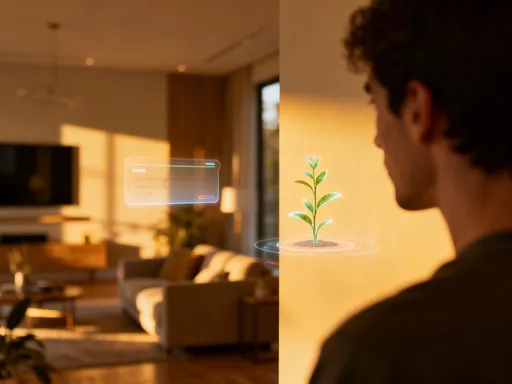
Here’s the good news: technology has evolved from clunky keypads and loud beeps to something much more intuitive. Today’s smart alarm systems don’t just react—they anticipate. They learn the rhythm of your household, not by watching you, but by gently observing patterns. Think of it like a helpful neighbor who notices when your lights go off and your car pulls into the driveway. It’s not spying. It’s simply paying attention in a way that serves you.
These systems use what’s called behavioral automation. For example, if your home’s lights typically turn off around 9 p.m., your phones disconnect from work Wi-Fi, and the TV shuts down, the system recognizes this as the start of your wind-down routine. It doesn’t record your conversations or store personal data. It doesn’t know what you said during dinner or which show the kids were watching. It just sees patterns—like a quiet house, dark windows, and devices going to sleep—and uses that to make smart suggestions.
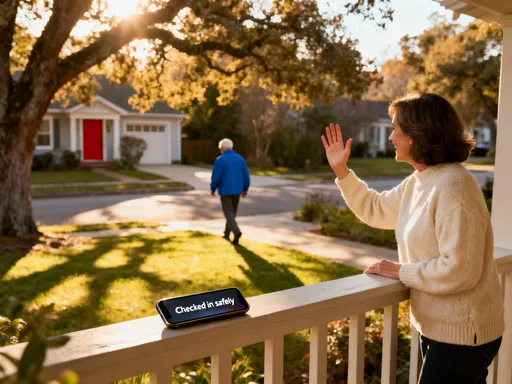
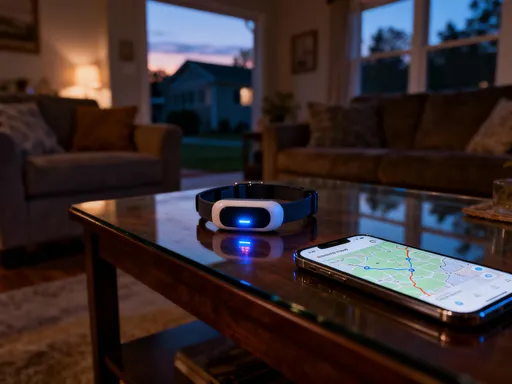
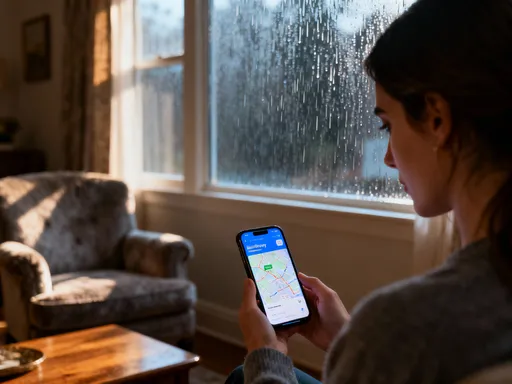
Some systems even use geofencing, which means they know when your phone leaves or returns to a certain area. So when you pull into your driveway after a long day, the system can disarm itself automatically. No fumbling for codes in the dark. And at bedtime, it can arm itself based on time, routine, or even a simple voice command like, “Hey, it’s bedtime.” The best part? You’re in control. You decide what triggers what. You can set exceptions for late movie nights or weekend guests. And if you ever feel unsure, you can disable automation and go back to manual mode anytime.
Privacy is a real concern, and it should be. That’s why reputable brands design these systems with security at the core. Data is encrypted, stored locally when possible, and never shared without your consent. This isn’t about giving up control. It’s about giving yourself a break. It’s technology working quietly in the background so you can focus on what matters—your family, your peace, your rest.
From Manual to Mindful: One Family’s Bedtime Transformation
Take the Thompsons, a family of four in suburban Ohio. For years, bedtime was tense. Sarah, the mom, would nag her husband, Mark, to arm the alarm. He’d forget. She’d double-check. They’d argue. “You said you did it!” “No, you were supposed to!” Their teenage daughter once joked that their nightly ritual was less lullaby, more courtroom drama. The irony? They had a top-of-the-line security system—but it was only as good as their memory.
Then Sarah read about bedtime automation and decided to give it a try. She spent one Sunday afternoon setting it up—just 20 minutes, following the app’s step-by-step guide. She programmed the system to arm automatically at 9:15 p.m., after the kids’ bedtime. She added a soft chime and a notification that says, “Home is secure.” She even linked it to the thermostat, so the house cools down slightly for better sleep.
The change was immediate. No more nagging. No more arguments. When the soft chime sounds, Sarah feels a wave of relief. It’s not just about security—it’s about harmony. “It’s like the house is helping us,” she said. “It takes one thing off my mental list, and that makes everything else feel lighter.” Mark noticed it too. “I used to dread that moment when she’d ask, ‘Did you set the alarm?’ Now, I don’t even think about it. I just know we’re safe.”
And it’s not just the parents. Their 10-year-old son, Jake, now says, “I hear the chime, and I know bad guys can’t get in.” It’s given him a sense of safety he didn’t have before. For this family, automation didn’t just change their security routine—it changed their emotional climate. Less stress. More connection. More room to breathe.
Setting It Up: A Step-by-Step Guide Anyone Can Follow
If you’re thinking, “That sounds great, but I don’t get this tech stuff,” I hear you. You’re not alone. Most of us aren’t tech experts. We just want things to work. The truth is, setting up bedtime automation is simpler than you think. You don’t need a degree in computer science. You just need a few quiet minutes and a willingness to try.
First, make sure your security system is connected to a smart home hub—like Google Home, Amazon Alexa, or Apple HomeKit. If you’re not sure, check your system’s app. Most modern systems have an option to link to these platforms. Once connected, open the app and look for “Automation” or “Routines.” That’s where the magic happens.
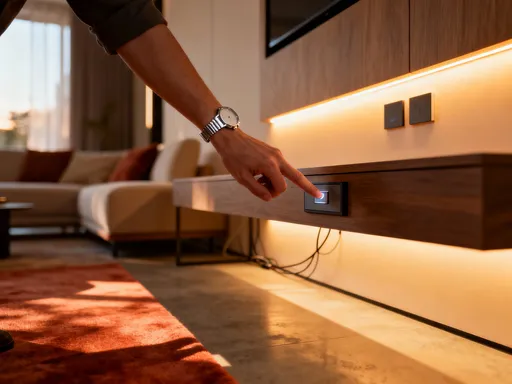
Next, create a new routine. You can name it “Bedtime” or “Goodnight, Home.” Then, set the trigger. This could be a time—like 9:15 p.m.—or an action, like when your phone enters the home Wi-Fi zone. You can even combine triggers: “After 9 p.m. and all lights are off.” Then, choose what happens: arm the alarm, lock the smart locks, turn off the lights, lower the thermostat, and send a notification.
Now, here’s a tip: test it during the day first. Set the time to something earlier, see if it works, and adjust as needed. And involve your family. Let your kids know about the “sleepy time signal” so they understand the chime means the house is protecting them. You can even make it part of the routine: “Brush teeth, read a story, hear the chime, sweet dreams.”
If something doesn’t work, don’t panic. Most apps have customer support or troubleshooting guides. And remember—you can always turn it off and try again. This isn’t about being perfect. It’s about making life a little easier. One mom told me, “I tried it, it failed, I laughed, and I tried again. Now it’s my favorite thing.” That’s the spirit.
More Than Security: How Automation Supports Better Sleep and Family Calm
Here’s something we don’t talk about enough: the connection between feeling safe and actually sleeping well. When your mind is racing with “what ifs,” your body can’t relax. You lie there, replaying the day, wondering if you left the garage open or if the basement window was latched. That mental noise keeps you from drifting into deep, restorative sleep. And when you’re tired, everything feels harder—parenting, working, even making dinner.
But when your home takes care of security for you, something shifts. That background anxiety—the one you didn’t even realize was there—starts to fade. You don’t have to remember. You don’t have to check. You can trust the system. And that trust translates into real, physical relief. Studies show that people who feel secure in their homes report better sleep quality, lower stress levels, and improved mood the next day.
For families, this ripple effect is powerful. When parents sleep better, they’re more patient, more present, more joyful. Kids pick up on that calm. The house feels quieter, not just in sound, but in energy. There’s less snapping over spilled milk or forgotten backpacks because the emotional baseline is steadier. And over time, that consistency builds resilience. You’re not just protecting your home from intruders—you’re protecting your family’s peace.
Think of it this way: every night, you’re giving yourself a small gift. Not just safety, but the freedom to let go. To exhale. To know that while you’re dreaming, your home is awake, watching over you. That’s not just convenience. That’s care.
What Could Go Wrong? Addressing Real Concerns Honestly
Let’s be real—technology isn’t perfect. Sometimes the Wi-Fi drops. The app glitches. The notification doesn’t come through. Maybe the system arms too early because the kids turned off their lights at 8 p.m. to read under the covers. Or maybe it doesn’t arm at all because your phone didn’t reconnect to the network. These things happen. And it’s okay to acknowledge them.
The key is choosing a reliable system with strong reviews and good customer support. Look for brands that offer backup alerts—like text messages or phone calls—if the primary notification fails. And don’t rely on automation 100%. Keep a basic habit of glancing at the system’s status before bed, just like you’d check the stove before leaving the house. Automation isn’t about replacing awareness—it’s about reducing the burden of constant vigilance.
Another concern some moms share is what happens during guest nights or late shifts. That’s why customization is so important. You can set exceptions—like “don’t arm on Fridays” or “delay until 11 p.m. if my phone is still active.” You can also disarm with a voice command or a tap on your phone. It’s flexible, not rigid.
And if you ever feel uneasy, turn it off. Try it again later. Tech should serve you, not stress you. The goal isn’t a flawless system—it’s a more peaceful home. And sometimes, that means accepting that even smart homes have off days. What matters is that the overall trend is toward less worry, more rest, and greater confidence in your home’s safety.
A Home That Cares: Why This Small Change Matters
At the end of the day, this isn’t really about technology. It’s about love. It’s about wanting the best for your family—safety, rest, peace of mind. Automating your bedtime security isn’t a luxury for the wealthy or the tech-obsessed. It’s a simple, smart way to protect what matters most. It’s a quiet act of care, like tucking in a blanket or leaving a nightlight on.
When your home knows it’s bedtime, it’s not just responding to data. It’s responding to you. To your rhythm, your needs, your desire to breathe easier. And every night, when that soft chime sounds or the notification appears, it’s a reminder: you’re not alone in this. The house is looking out for you.
So yes, this small change matters. It matters because it gives you back time. It matters because it reduces stress. It matters because it lets you focus on what truly counts—your children’s laughter, your partner’s smile, your own well-being. Technology at its best doesn’t complicate life. It doesn’t demand your attention. It doesn’t add to your to-do list. Instead, it quietly supports you, night after night, so you can live with a little more ease, a little more joy, and a lot more peace. And isn’t that what home is really for?