What if Your Neighbors Could Keep Your Aging Parents Safe—Without You Lifting a Finger?
Imagine living miles away from your parents, worrying every day if they’ve taken their medicine or slipped in the bathroom. You’re not alone. Millions of adult children share this quiet anxiety. But what if help wasn’t just a phone call away—but right next door, quietly organized through an app? This isn’t science fiction. It’s happening now, and it’s simpler than you think. The emotional toll of distance can be overwhelming, but what if technology could quietly weave a safety net—without making your parents feel watched or controlled? Let’s talk about how real people are finding peace of mind, not through high-tech surveillance, but through something far more powerful: human connection, gently supported by smart tools.
The Everyday Fear No One Talks About
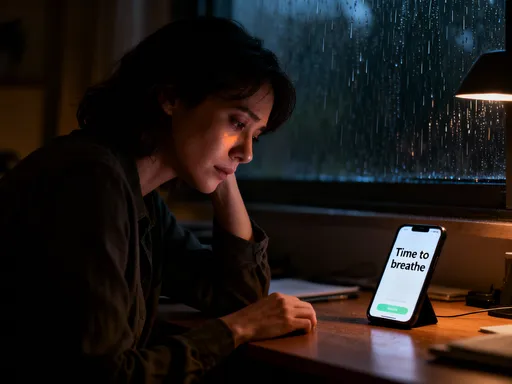
Let’s be honest—most of us didn’t grow up planning to live far from our parents. Life just happened. A job opportunity, a spouse’s career, a new city. And then one day, you realize the person who once tucked you in at night now lives three time zones away. You call every Sunday. You send care packages. But still, there’s that low hum of worry in the back of your mind: Is Mom okay today? Did she eat? Did she fall? What if no one finds her for days?
This fear isn’t dramatic. It doesn’t make for a movie scene. But it’s real. And it’s exhausting. You love your parents deeply. You want them to live independently, with dignity. But you also want to know they’re safe. Traditional solutions often feel like a compromise. Nursing homes? Too expensive, and they can feel cold and impersonal. Hiring a daily check-in service? It helps, but it’s another bill, another schedule to manage. And calling every day? What if they don’t answer? Then the panic sets in.
That emotional weight—of love, responsibility, and helplessness—is heavier than most of us admit. We’re not just caring for aging parents. We’re balancing careers, raising kids, managing households. And yet, this one worry never really leaves. But here’s the good news: a quiet revolution is happening in neighborhoods across the country. It’s not about robots or AI doctors. It’s about something much simpler—and more powerful. It’s about neighbors. Real people, just next door, becoming part of a gentle, tech-supported safety net.
How a Simple App Turned Strangers into a Safety Net
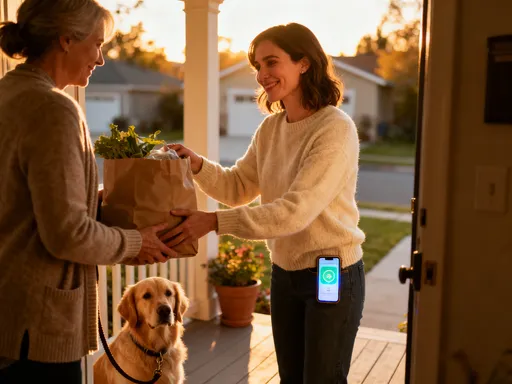
Meet Sarah, a mom of two in a quiet suburban town. A few years ago, she downloaded a local mutual aid app—mostly to borrow tools or find someone to watch her dog. One day, she saw a post: “Elderly neighbor needs help bringing in groceries.” She thought, That’s just a few bags. I can do that. She showed up, helped carry the bags, and stayed to chat. The older woman, Mrs. Ellis, made her tea. They talked about gardening. It was a small moment—but it mattered.
Over time, Sarah started checking in more often. A quick wave. A “How are you doing?” text through the app. Then one morning, Mrs. Ellis didn’t respond to her usual “Good morning” message. Sarah waited a few hours. Still nothing. She walked over. Found Mrs. Ellis on the floor, unable to get up after a fall. An ambulance came. She was okay—but it could’ve been much worse.
This story isn’t rare. In fact, it’s becoming more common. These neighborhood apps—designed for small favors, like borrowing sugar or sharing a ride—are quietly becoming lifelines. They don’t replace family. They don’t try to. But they do something powerful: they turn isolation into connection. And connection becomes care. When neighbors know each other—even just a little—they start to notice. A missed message. A light left on all night. A car that hasn’t moved in days.
The app doesn’t do the caring. People do. But the app makes it easy. It lowers the barrier. You don’t have to knock on a stranger’s door and say, “I’m here to help.” You just respond to a request. And over time, trust builds. That trust becomes vigilance. And that vigilance can save a life.
Security Features That Work—Without Feeling Like Surveillance
Here’s the thing: most parents don’t want to feel watched. They don’t want cameras in their living room. They don’t want to wear panic buttons like they’re in a hospital. They want to live like themselves—just with a little peace of mind.
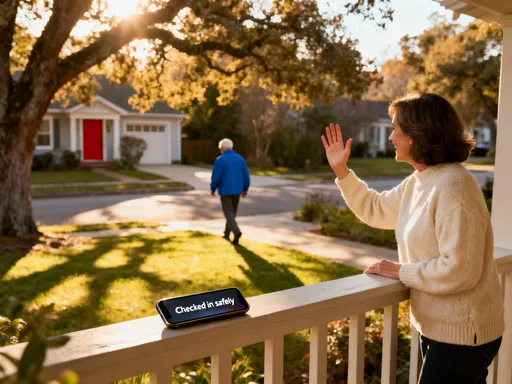
That’s why the best apps avoid anything that feels like surveillance. No cameras. No GPS tracking. No constant monitoring. Instead, they use simple, human-centered tools. For example, a daily check-in button. Your mom taps it each morning: “I’m okay.” If she forgets or can’t tap it, the app sends a gentle alert to a few trusted neighbors. Not a loud alarm. Not a siren. Just a quiet message: “Mrs. Jones hasn’t checked in today. Can someone please stop by?”
There are also private chat groups—just for the block or the building. No social media. No strangers. Just people who live nearby. If someone sees something odd—a front door left open, a car in the driveway at 3 a.m.—they can send a quick message. “Hey, is everything okay at 124 Maple?”
And if there’s a real emergency, the app can send an alert to all nearby volunteers at once. No calling around. No playing phone tag. Just a simple notification: “Mr. Lee needs help. He’s not answering the door. Can someone go check?”
The tech stays in the background. It doesn’t buzz or beep unless something’s wrong. It doesn’t collect data or sell ads. It’s not about efficiency. It’s about presence. It’s about knowing that someone nearby is paying attention—not because they have to, but because they care. And that makes all the difference.
Real Stories: When the App Made All the Difference
Take the case of James, a retired teacher in Chicago. He lives alone. His daughter, Lisa, lives in Seattle. A few months ago, James started showing signs of early dementia. Lisa was worried but didn’t want to take him out of his home. So they set up a simple system: James joined the neighborhood app. His next-door neighbor, Maria, agreed to check in weekly. Just a quick visit. A chat. A cup of coffee.
One night, James wandered out. It was cold. He didn’t have a coat. Maria noticed his front door was open and his car was gone. She posted in the app: “James is missing. Last seen heading toward the park.” Within minutes, five neighbors were out searching. One spotted him near the playground. They brought him home safely. Lisa got an alert from the app—“James found, safe at home”—and burst into tears. Not from fear, but from relief.
Or consider Margaret, 82, living in a small apartment in Portland. She’s sharp as a tack but has a heart condition. One afternoon, she didn’t reply to her usual “How are you?” message. A neighbor, Tom, noticed. He stopped by. Found her slumped in her chair, struggling to speak. He called 911. She’d had a minor stroke. Because he acted fast, she recovered well. Her doctor said, “Another hour, and it could’ve been much worse.”
These aren’t rare miracles. They’re real outcomes of a simple idea: technology that supports human care, not replaces it. The app didn’t diagnose the stroke. The app didn’t find James in the park. People did. But the app made it possible for people to act quickly, together. It turned a neighborhood into a team. And that team became a safety net.
How to Set It Up Without Overwhelm
Now, you might be thinking: This sounds great, but I’m not tech-savvy. And my parents? They still use a flip phone. I get it. That’s exactly how I felt at first. But here’s the truth: you don’t need to be a genius to make this work. And neither do your parents.
Start small. First, choose an app that’s focused on local help, not social media. Look for one that’s simple, private, and community-driven. No ads. No feeds. Just a way to send messages, post requests, and get alerts. There are a few out there—some free, some with small monthly fees. Read the reviews. Ask around.
Then, talk to your parents. Not with fear. Not with, “You’re going to fall and die alone!” That won’t help. Instead, say something like: “There’s this cool app my friend uses. It helps neighbors help each other. Like borrowing tools or sharing extra garden tomatoes. I thought you might like to join. And it could be nice to have a few people nearby who know you’re there.”
Next, invite a few trusted neighbors. Not everyone. Just a few kind people. The librarian who waves every morning. The retired nurse who walks her dog at 7 a.m. The young couple who shovel snow in winter. Send them a personal message: “My mom lives alone. I live far away. I’d feel better if a few people nearby knew her. Would you be open to a quick chat?”
Set up a simple routine. Nothing heavy. Maybe a daily “Good morning” message. A weekly visitor. A neighbor who checks the mailbox if your parent is sick. Make it feel normal. Natural. Not like a medical protocol. The goal isn’t perfection. It’s connection. And once that connection exists, the app does the rest—quietly, gently, without drama.
Why This Feels Better Than Cameras or Alarms
Let’s talk about the alternatives. You’ve probably seen them: smart cameras, fall-detection sensors, wearable panic buttons. They sound high-tech. Impressive. But here’s what no one tells you: most parents hate them.
Why? Because they feel like being watched. Like they’re under suspicion. Like they’ve lost control. One woman told me, “I don’t want my daughter watching me brush my teeth.” Another said, “It makes me feel like a patient, not a person.”
But no one minds if the woman next door brings soup when they’re sick. No one feels insulted when someone waves from across the street. That’s because real safety doesn’t come from sensors. It comes from relationships.
These apps work because they feel human. They don’t beep. They don’t record. They don’t track movement. They just help people stay connected. And when people are connected, they notice things. They care. They act.
Plus, there’s dignity in this approach. Your mom isn’t “the person with the fall sensor.” She’s Mrs. Thompson, who grows the best roses on the block. She’s the one who bakes cookies for the school fundraiser. She’s known. She’s valued. And that makes her safer—not just physically, but emotionally.
You’re not installing a security system. You’re growing a circle of care. And that’s why this works. Because willingness matters. If your parents resist the tech, it won’t help. But if they welcome the connection? That’s when real protection begins.
Building a Kinder, Safer World—One Neighborhood at a Time
This isn’t just about aging parents. It’s about what we’ve lost—and what we can get back. Community. Connection. The simple kindness of knowing someone nearby has your back.
When we help each other, something shifts. Kids see adults checking on elders and learn empathy. Seniors feel less alone. And we—those of us living far away—finally breathe a little easier. We still worry. We always will. But now, that worry is balanced with hope. Hope that if something happens, there’s a neighbor who’ll notice. Who’ll care. Who’ll act.
The technology is simple. An app. A message. A tap on the screen. But the impact? Deep. Meaningful. Human. Because at the end of the day, the best protection isn’t a gadget. It’s a relationship. It’s knowing that someone nearby sees you. Knows you. Cares.
And isn’t that what we all want? To be seen. To be known. To be safe—not because of a machine, but because of a neighbor who cares. So maybe the future of elder care isn’t in a lab. Maybe it’s right next door. Maybe it’s as simple as saying, “I’m here if you need me.” And maybe, just maybe, that’s enough.