Stop saying 'I can’t keep up'—how smart wall controls quietly upgraded my home and my social life
Remember that awkward moment when guests arrive and you’re scrambling to adjust the lights, temperature, and music—juggling remotes, checking if the hallway’s too dark, or whispering, “Wait, did I leave the AC on?” I used to stress over these little things, too. But what if your walls could just… know? Not with complicated tech talk, but in a simple, almost invisible way that makes your home feel more like you—and surprisingly, brings people closer. It sounds like magic, but it’s not. It’s just smart wall controls working quietly behind the scenes, turning my house into a place where comfort flows naturally and connection comes easier.
The Moment I Realized My Home Was Working Against Me
It was a Friday night, and I had invited a few close friends over for dinner. Nothing fancy—just roasted chicken, a green salad, and good conversation. I’d spent all afternoon cleaning, setting the table, and picking the perfect playlist. But the moment they walked in, everything started to unravel. The overhead light was too bright, casting harsh shadows across the table. One friend squinted and said, “Whoa, did you just open a surgery room?” I laughed, but I was already reaching for the dimmer. Then someone mentioned it was a little warm. I whispered to my husband, “Did we leave the heater on?” He shrugged. I ran to the thermostat, adjusted it, came back—and realized the music had stopped. By the time I rebooted the speaker, the mood had shifted. We were all a little more tired, a little less present.
That night, I didn’t just feel like a bad host—I felt like my own home was working against me. I had all these devices, all this “smart” tech, but none of it was making life easier. If anything, it was adding more steps, more decisions, more little things to manage. I started wondering: why can’t my house just *help* me? Why do I have to be the one remembering everything? Wasn’t technology supposed to make life simpler? That frustration didn’t just fade away—it stuck with me. And slowly, it turned into curiosity. What if there was a way to make my home respond to me, not the other way around?
Meet the Quiet Upgrade: What Smart Wall Controls Actually Do
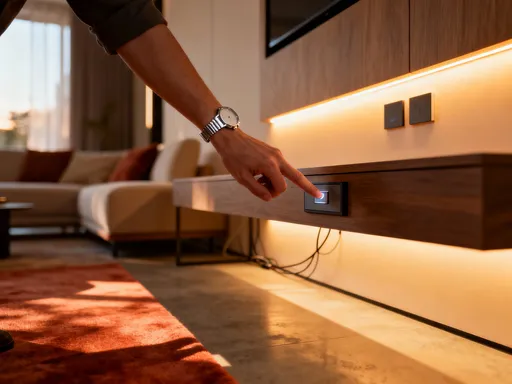
When I first heard about smart wall controls, I thought, “Oh great, another app to download, another voice command to remember.” But what I discovered was something completely different. These aren’t flashy gadgets or complicated panels. They’re simply the switches on your wall—light switches, thermostat controls, even scene buttons—but redesigned with a touch of intelligence. They look clean, modern, but not futuristic in a way that feels intimidating. You can still flip a switch like you always have, but now, that switch can do so much more.
Here’s how it works: instead of just turning a light on or off, a smart wall control connects to your home’s Wi-Fi and talks to other devices. You can program it to do multiple things at once with a single tap. Want soft lighting, cooler air, and quiet music when you start dinner? That’s one button. Want everything off with a “Goodnight” tap? Done. The real magic isn’t in the tech itself—it’s in how invisible it becomes. You don’t need to open an app, shout at a speaker, or remember a code. You just touch the wall, and your home responds. It’s like your house finally learned to listen.
And the best part? No steep learning curve. You don’t need to be a tech expert. Most systems are designed for regular people—people who just want their homes to feel better. Installation can be as simple as swapping out old switches, often with the help of an electrician (or even on your own, if you’re comfortable). Once they’re in, you set up routines through a simple app or web interface, and then—poof—it’s like your walls have a memory. They learn when you usually wake up, when you like the lights dimmed, when the house should start cooling down. It’s not about controlling every detail. It’s about letting your home take care of the small stuff, so you can focus on what really matters.
From Fumbling to Flow: Hosting with Effortless Ambiance
The real test came a few weeks later, when I hosted my sister’s birthday dinner. I was determined not to repeat the chaos of last time. I had set up a “Dinner Mode” scene on my living room wall panel—a single tap that dims the lights to a warm glow, adjusts the thermostat to a cozy 72 degrees, and gently lowers the background music. I even added a soft light in the hallway so no one would trip getting to the bathroom. When my guests arrived, I greeted them at the door—no frantic adjustments, no disappearing into another room. I stayed present. And they noticed.
“Your house feels so… calm,” one friend said, sinking into the couch. Another commented, “I don’t know what you did, but everything just feels *right*.” That’s when it hit me: they weren’t noticing the technology. They were noticing the feeling. The room wasn’t too bright, too loud, or too hot. It just felt comfortable. And because I wasn’t running around managing things, I was able to sit, laugh, and actually enjoy the evening. There were no awkward silences caused by me getting up to fix the lighting. No one whispered, “Is it just me, or is it stuffy in here?” Instead, the conversation flowed. We talked about books, childhood memories, dreams for the future. The evening felt longer, richer, more connected.
Before, I used to think being a good host meant doing everything myself—anticipating needs, fixing problems, making sure every detail was perfect. But now I see that the best hosting isn’t about control. It’s about creating a space where people feel at ease. And sometimes, the best way to do that is to let your home help. With smart wall controls, I’m not juggling tasks—I’m in the moment. And that, more than any perfectly plated dish, is what makes people feel welcome.
“Wait, How’d You Do That?”—When Your Home Becomes a Conversation Starter
About halfway through the night, my cousin leaned over and whispered, “Wait, how did you do that with the lights?” I smiled and showed her the small panel on the wall. “It’s just one tap,” I said. “I have a few of these around the house.” She stared at it like it was a secret weapon. “I need this,” she said. And she wasn’t the only one. By the end of the evening, three people had asked for the brand name. One took a photo of the panel. Another said, “I’m telling my husband we’re upgrading our switches this weekend.”
It was such a small thing—a wall panel—but it sparked real curiosity. And what surprised me most was how personal the conversations felt. No one was asking about specs or Wi-Fi signals. They were asking, “How does it make your life easier?” That’s when I realized: this isn’t about showing off tech. It’s about sharing a better way to live. I told them how I used to stress over hosting, how I’d forget to turn off the AC, how I’d lie in bed wondering if I’d left a light on downstairs. Now, with a simple “Goodnight” tap, everything shuts down. I don’t worry. I just rest.
One friend said, “I feel like my house is always fighting me. Yours feels like it’s on your side.” That stuck with me. Because that’s exactly what it feels like. My home isn’t a collection of devices—it’s a partner in my daily life. And when people see that, they don’t just want the gadget. They want the peace of mind. They want to feel that their home is working *for* them, not against them. And the beautiful thing? It’s not complicated to share. I gave them a few tips, sent a link, and now two of them have installed their own systems. It feels good—not because I’m a tech guru, but because I helped someone else breathe a little easier.
More Than a Gadget: How Simplicity Strengthens Relationships
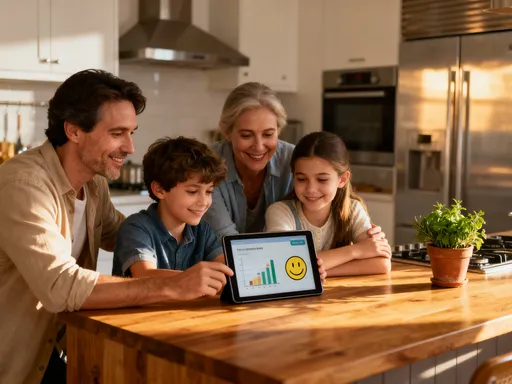
Here’s what no one tells you about smart home tech: the biggest benefit isn’t convenience. It’s presence. When you’re not distracted by small tasks—adjusting the temperature, finding the remote, turning off lights—you’re free to be with the people you love. I’ve noticed it in my own family. My daughter walks into the living room, and the lights come on softly, just how she likes them. My husband no longer has to ask, “Did you turn the heat down?” It’s already done. We’re not managing the house. We’re living in it.
And that changes everything. Eye contact lasts longer. Conversations go deeper. There’s more laughter, less tension. I’ve started to see how much mental energy I used to spend on the background noise of daily life. Now, that energy goes into listening, connecting, being kind. It’s not that we’re suddenly perfect—we still argue over chores and forget to take out the trash. But the little stresses that used to pile up? They’ve faded. And in their place is more space—for patience, for joy, for simply being together.
Comfort is emotional safety. When a room feels warm, well-lit, and just right, people relax. They open up. I’ve had friends share personal stories in my living room that they’ve never told anyone else. Was it the wine? Maybe. But I think it was also the atmosphere—the way the light wrapped around us, the quiet hum of the house doing its job so we could just *be*. That’s the real upgrade: not the panel on the wall, but the way it helps us show up for each other. I’m not a magician. I’m just someone who finally let her home help.
Making It Yours: Simple Steps to Start (No Tech Degree Needed)
If you’re thinking, “This sounds great, but I’m not tech-savvy,” I hear you. I felt the same way. But here’s the truth: setting up smart wall controls is easier than most people think. The first step is choosing a system that fits your home. Look for one that works with your existing wiring and is compatible with other smart devices you might have—like thermostats, lights, or speakers. Brands like Lutron, Leviton, and Control4 offer user-friendly options, but you don’t need to pick the most expensive one. Start simple.
I began with just two switches—one in the living room, one by the bedroom. I hired a local electrician to install them. It took about an hour, and the cost was less than a weekend dinner out. Once they were in, I downloaded the app and spent one quiet evening setting up routines. “Morning Glow” turns on the lights gradually at 7 a.m. “Movie Night” dims the lights and lowers the blinds. “Goodnight” shuts everything off. I didn’t do it all at once. I added one scene at a time, testing what felt right.
The key is to start small. Pick one room where you want more comfort—maybe the kitchen, where you spend your mornings, or the living room, where you host guests. Choose one routine that would make your life easier. Maybe it’s having the lights come on softly when you walk in at night. Or the thermostat adjusting automatically when you get home. Once you feel comfortable, you can expand. But there’s no rush. This isn’t about transforming your whole house overnight. It’s about making one little thing easier, then another, then another. And before you know it, your home starts to feel like it’s working with you, not against you.
The Ripple Effect: When Your Home Inspires Others
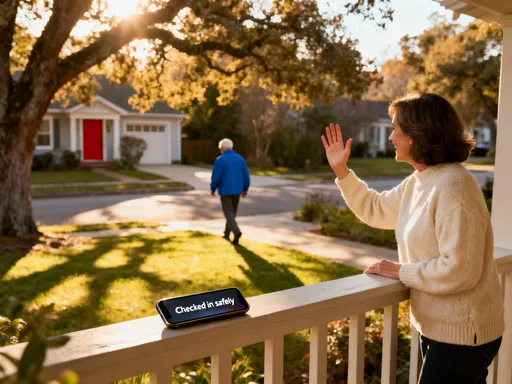
What’s been most surprising isn’t how much my own life has changed—it’s how it’s touched the people around me. My neighbor, a retired teacher, came over one afternoon and noticed the panel in my hallway. “It’s so quiet,” she said. “I don’t hear any clicking or buzzing.” I showed her how it worked, and a few weeks later, she called to say she’d installed one in her bedroom. “I’m 68,” she told me, “and I finally feel like my house understands me.”
My parents, who live two hours away, started asking questions. They’re not tech people—they still use flip phones—but they wanted to know if something like this could help my mom, who has trouble getting up to adjust the thermostat at night. I helped them set up a simple system, and now she can control the heat and lights from her bedside. She says she sleeps better. My dad says the house “feels warmer,” even when the temperature hasn’t changed. I think he means emotionally.
That’s the quiet power of this kind of tech—not the specs, not the features, but the way it supports real human needs. It’s not about being cutting-edge. It’s about being kind—to yourself and to the people you love. And when one person makes a change, it often inspires another. It’s not a trend. It’s a shift in how we think about our homes. Not as houses full of gadgets, but as spaces that care for us. And when someone sees that in action, they don’t just want to copy it—they want to feel it too.
Your Walls Can Do More Than Hold Up the Roof
Looking back, I realize the real upgrade wasn’t in the technology. It was in the way it changed my relationship with my home—and with the people in it. My walls don’t just hold up the roof anymore. They help hold up my peace of mind, my connections, my joy. The future of smart homes isn’t about voice commands or flashing screens. It’s about silence. It’s about walking into a room and feeling it respond to you—softly, gently, without fanfare.
It’s about being able to say, “I can’t keep up,” and then realizing—you don’t have to. Your home can help. It can turn down the lights, adjust the temperature, and give you back the space to breathe, to listen, to be present. And in a world that never slows down, that might be the most powerful technology of all. So the next time you’re hosting, stressed, running from room to room—pause. Touch the wall. Let your home do a little more. And see what happens when you finally stop managing, and start living.