Tired of Forgetting Your Daily Goals? This AR App Keeps Them Right in Front of You
Life gets busy, and even with the best intentions, it’s easy to lose sight of the goals we set—whether it’s drinking more water, walking 10,000 steps, or finally learning guitar chords. What if your environment could gently remind you, not with annoying pings, but with visual cues right where you live and move? I discovered an augmented reality app that doesn’t just track progress—it weaves your goals into the world around you, turning everyday spaces into quiet motivators. Here’s how it quietly changed my routine.
The Quiet Struggle of Staying on Track
We all start strong—Monday mornings full of energy, fresh notebooks, color-coded plans. But by Wednesday, life takes over. The gym bag stays in the closet. The water bottle sits empty on the desk. I realized it wasn’t laziness; it was visibility. Out of sight, out of mind. My goals were buried in notes apps or forgotten sticky pads. The real problem? We rely on memory and discipline, but what we need is context. When your environment doesn’t reflect your intentions, staying consistent feels like constant uphill effort. It’s not that we don’t care—we’re just not reminded in ways that stick.
Think about it: how many times have you opened your phone to check a to-do list, only to get pulled into emails or messages before you even see your goals? That tiny gap between intention and action is where motivation slips away. We’re not failing because we lack willpower—we’re failing because our tools don’t meet us where we are. And for someone like me, juggling family schedules, work deadlines, and personal dreams, that gap feels even wider. I wanted change, but I didn’t want more pressure. I needed something that felt natural, not like another chore to manage.
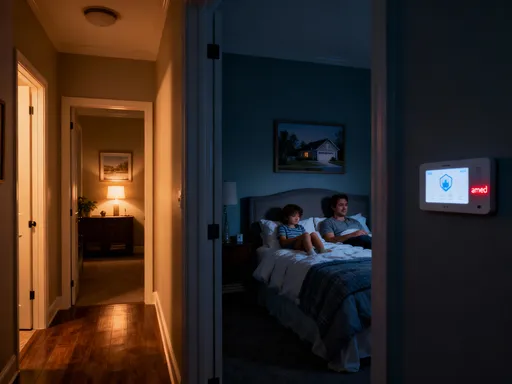
That’s when I started wondering—what if your home could help you remember? Not with alarms that make the kids jump, but with quiet, thoughtful nudges built into the spaces you already move through every day? That’s when I found an app that uses augmented reality to turn your physical world into a personal coach. It doesn’t shout. It doesn’t overwhelm. It simply shows up—right where you need it.
How Augmented Reality Brings Goals into Your World
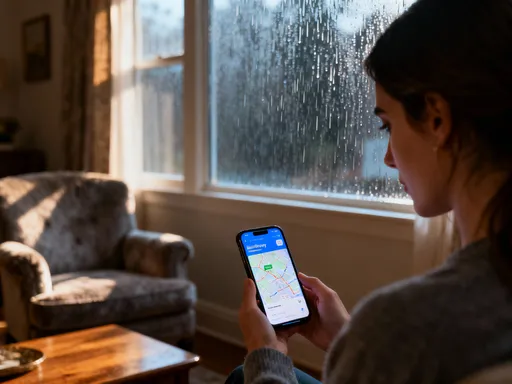
Augmented reality, or AR, isn’t just for gaming or fancy filters. It’s a technology that overlays digital information onto your real-world view—like seeing directions on your windshield or trying on glasses through your phone camera. But now, it’s being used in a much more personal way: to help you stay connected to your goals. The app I started using works with your smartphone’s camera to place gentle, visual reminders in your home, office, or even your morning walk route. These aren’t flashy pop-ups or flashing lights—they’re soft, calming cues that blend into your space.
Imagine walking into your kitchen and seeing a small animated sun rise above your coffee maker each time you finish a glass of water. Or glancing at your front door as you leave and noticing a quiet message floating in the air: “Don’t forget your journal today.” These aren’t distractions—they’re reinforcements. They meet you in the moments that matter, without pulling you away from what you’re doing. Unlike notifications that feel like demands, AR reminders feel like companions. They’re there when you need them, but they don’t interrupt your flow.
What makes this different from traditional habit trackers is the sense of presence. Instead of checking a box on a screen, you’re interacting with a visual symbol in your real world. That small shift—from digital list to lived-in reminder—makes goals feel more real, more immediate. It’s like your environment is quietly rooting for you. And because the app uses your phone’s location and camera, it learns where you spend time and suggests the best spots for reminders. The living room wall near your favorite chair? Perfect for a “read 10 pages” cue. The bathroom mirror? Ideal for a “breathe deeply” moment before the day begins.
Turning Daily Routines into Goal-Friendly Spaces
I started with something simple: drinking more water. I placed a soft, glowing droplet above my kitchen sink that pulses gently every morning. It’s not loud or pushy—just a quiet “hello” when I’m brushing my teeth or washing dishes. Within days, I caught myself reaching for my water bottle without even thinking. That tiny visual cue had rewired my habit loop. No willpower required—just a gentle nudge in the right place at the right time.
Then I added another: walking more. I placed a small floating number near my shoes by the front door, showing how many steps I had left to reach my daily goal. Every time I grabbed my keys, I’d glance over and think, “Oh, only 300 to go—maybe I’ll take the dog around the block.” It wasn’t about hitting a perfect number. It was about making movement feel doable, even on busy days. Over time, these small reminders became part of my rhythm—like brushing my teeth or setting the dinner table.
Cooking became a moment for mindfulness too. I set a soft glow on the fridge that reminds me to add one extra serving of vegetables to each meal. It’s not a rule or a restriction—it’s a gentle invitation to care for myself. And at night, a tiny floating moon appears above my pillow, reminding me to spend 10 minutes reading instead of scrolling. These aren’t grand gestures. They’re small, consistent moments of alignment with the person I want to be. And because they live in my real world, they feel more real than any app notification ever did.
Personalization That Feels Like You
One of the things I love most about this app is how personal it feels. It doesn’t treat everyone the same. You can choose how your goals appear—whether as calm animations, simple text, or even a soft voice that greets you when you enter a room. I customized mine to feel warm and encouraging, not robotic or demanding. My fitness goal shows up as a small sun that rises a little higher each time I complete a workout. It’s not about punishment for missing a day—it’s about celebrating progress, no matter how small.
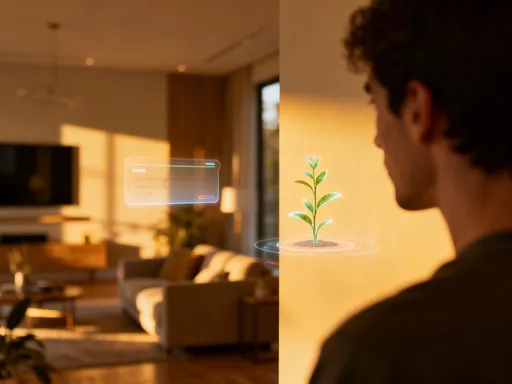
My gratitude practice? That’s a glowing leaf that appears in my living room each evening. When I tap it with my finger on the screen, it plays a soft chime and asks, “What are you thankful for today?” It’s become a peaceful ritual—something my kids even notice and ask about. “Mom, your leaf is glowing!” they’ll say, and suddenly we’re sharing little moments of appreciation together. That’s the magic of personalization—it turns self-improvement into connection.
You can even tie reminders to people you love. I added a message from my sister that pops up on my bedroom wall every Friday: “You’ve got this!” It’s not just a reminder—it’s a moment of emotional support. It makes me smile, and honestly, sometimes that’s all it takes to keep going. The app lets you upload photos, choose fonts, and pick colors that match your mood. It’s not about looking flashy—it’s about creating a space that feels like home, even in the digital layers.
The Emotional Shift: From Pressure to Progress
What surprised me most wasn’t the convenience—it was how my feelings about goals changed. For years, I’d treated them like tasks to check off, and when I missed one, I’d feel guilty. But with this AR app, I started to feel encouraged instead of ashamed. Seeing my little sun rise or my plant grow taller each week made progress feel tangible. It wasn’t about perfection—it was about showing up. And that small shift in mindset made all the difference.
The app doesn’t scold you for missing a day. It doesn’t give you red marks or sad faces. Instead, it highlights what you’ve done. It celebrates effort. That changed my relationship with goals—from something I *had* to do, to something I *wanted* to do. I found myself looking forward to seeing my sun rise, or watching my leaf glow a little brighter. It felt like I was nurturing something alive, and in turn, it was nurturing me.
There’s a quiet joy in that. It’s not about chasing big wins or dramatic transformations. It’s about building a life where small, positive choices feel natural. For someone who’s spent years feeling like she’s falling short, that’s been revolutionary. I’m not perfect. I still have messy days. But now, even on those days, I feel supported. My walls, my kitchen, my front door—they’re all quietly cheering me on.
Practical Tips for Getting Started
If you’re curious about trying this, here’s how I’d suggest starting: pick just one or two goals—something simple and meaningful. Maybe it’s drinking more water, stretching for five minutes, or writing down one thing you’re grateful for each night. Open the app, point your phone at a spot you see every day—your bathroom mirror, your kitchen counter, or the wall by your front door—and place your first reminder. Choose a visual style that feels calming, not distracting. You’re not trying to create a digital circus—you’re building gentle support.
Let it sit for a few days. Notice how often you see it. Does it catch your eye when you’re rushing out the door? Does it feel like a friend or a nag? Adjust the placement if needed. Maybe move it slightly higher or lower, or choose a different time of day for it to appear. The key is to make it feel natural, not forced. And don’t overload yourself—start small. One reminder is enough to begin with. Once it feels like part of your rhythm, you can add another.
Also, be patient with yourself. This isn’t about instant results. It’s about creating a new kind of awareness—one that lives in your space, not just your phone. Within a week, you might notice yourself pausing more, making small choices that align with your goals without even realizing it. That’s the power of context. That’s the power of design that understands real life.
Why This Could Be the Future of Personal Growth
We’ve relied on lists, alarms, and habit trackers for years—but they live in our devices, not our lives. AR bridges that gap. By placing goals where we live, it makes self-improvement feel less like a chore and more like a natural part of our day. It’s not about flashy tech—it’s about thoughtful design that supports real people. As AR becomes more accessible, this kind of gentle, visual guidance could redefine how we grow, one small, meaningful nudge at a time.
Imagine a world where your home helps you remember what matters. Where your kitchen encourages healthy choices, your bedroom invites rest, and your front door reminds you to be kind—to yourself and others. That’s not science fiction. It’s already possible. And it’s not about replacing human effort—it’s about making it easier, softer, more sustainable.
For women in our 30s, 40s, and 50s—who are often carrying so much on our shoulders—this kind of support can be transformative. We don’t need more pressure. We need tools that understand our lives, our rhythms, our hearts. This AR app isn’t just a gadget. It’s a quiet companion. It’s a way to stay connected to ourselves, even in the busiest seasons. And honestly, that’s the kind of technology I can get behind—one that doesn’t shout, but whispers, “You’re doing great. Keep going.”