From Overpaying to in Control: One App That Simplified My Commute and Saved Me Every Day
We’ve all been there—rushing to work, stressed about traffic, only to realize we’re spending too much on rideshares, parking, or subscriptions we barely use. I was drowning in scattered transit costs until I found a simple tool that changed everything. It didn’t just cut my commute expenses—it gave me back time, clarity, and peace of mind. This isn’t about extreme budgeting or complicated tech. It’s about one smart, easy switch that fits seamlessly into real life. And if you’ve ever looked at your bank statement and asked, ‘Where did all that money go?’—this is for you.
The Hidden Cost of a Chaotic Commute
Let’s be honest—how many of us really track what we spend just to get from point A to point B? I didn’t. My mornings used to feel like a blur: wake up late, scramble to get the kids ready, throw on whatever was clean, and dash out the door. By the time I reached my car or the train station, I was already behind, and every decision felt reactive. Tap this app for a ride. Pay for parking because I couldn’t find a spot. Renew a bike-share membership I’d only used twice. It all seemed small at the time—$5 here, $12 there—but then I saw my monthly total: over $230. Just for commuting. And I wasn’t even using half the services I was paying for.
What hit me hardest wasn’t just the number—it was the guilt. I work hard for my money, and seeing it disappear on things I didn’t fully use made me feel out of control. I started dreading Mondays, not just because of work, but because of the mental load: Where should I park? Should I take the bus? Is the car charged? Do I have enough in my transit wallet? It wasn’t just draining my wallet—it was draining my energy. And I know I’m not alone. So many women I talk to—moms, professionals, caregivers—feel the same. We’re juggling so much, and something as basic as getting around town has become another source of stress. The truth is, we’re not bad with money. We’re just not given tools that work with our lives, not against them.
That’s when I realized: the problem wasn’t my choices. It was the lack of a clear picture. Without knowing where my money was going, I couldn’t make better decisions. I was stuck in a cycle of reacting instead of planning. And that’s the hidden cost of a chaotic commute—not just dollars, but peace of mind, time, and confidence. I wanted out. But I didn’t want to spend hours tracking receipts or learning complicated budgeting systems. I needed something simple, something that understood my life, not some idealized version of it.
Meet the App That Changed My Routine
I found the solution by accident, actually. I was chatting with a friend at a school pickup, and she mentioned she’d cut her monthly transit spending in half. I assumed she’d switched to biking or started working from home. But no—she’d started using a smart commute app that pulled all her transportation costs into one place. I’ll admit, I was skeptical. I’d tried budgeting apps before. Most were either too complex or too generic. They wanted me to manually log every trip, categorize expenses, and set rigid limits. I didn’t have time for that. But she insisted this one was different. ‘It’s like having a quiet helper,’ she said. ‘It doesn’t nag you. It just shows you what’s happening and helps you make smarter choices.’
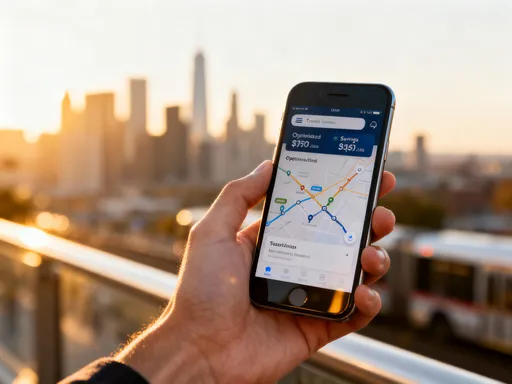
Curious, I downloaded it that night. The setup took less than ten minutes. I linked my payment methods, connected my transit cards, and added my parking and rideshare accounts. The next morning, I opened it—and gasped. There it was: a clean, simple dashboard showing every dollar I’d spent on transportation over the past month. Not just totals, but breakdowns. I saw that I’d used my premium rideshare membership only three times but had been charged for it every week. I’d paid for parking on days I actually took the train. And I’d renewed a scooter subscription I didn’t even remember signing up for. Seeing it all in one place was shocking—but also strangely empowering.
For the first time in years, I felt like I was in control. The app didn’t judge me. It didn’t tell me to stop using rideshares or give up convenience. It just showed me the facts. And that clarity was exactly what I needed. I didn’t have to guess anymore. I could see what was working and what wasn’t. That night, I canceled two subscriptions I wasn’t using. Small moves, but they felt big. Because for once, I was making choices with my eyes open.
How It Works Without Adding More Work
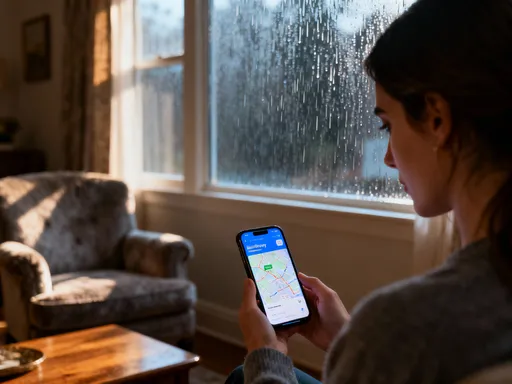
One of the reasons this app stuck is because it doesn’t ask me to do more. If anything, it asks me to do less. I didn’t have to change my routine, learn new habits, or spend hours managing it. It works quietly in the background, tracking everything automatically. Every time I take a ride, tap my transit card, or pay for parking, it logs the expense. It even recognizes patterns—like how I tend to drive on rainy days but walk when the weather’s nice. Over time, it started offering gentle suggestions: ‘You usually take the bus on Tuesdays. The off-peak pass could save you $4 this week.’ Or, ‘Your scooter membership renews tomorrow. Would you like to pause it?’
What I love is how it adapts to me, not the other way around. It doesn’t force me into a one-size-fits-all system. Instead, it learns my rhythm. If I start taking more evening classes or volunteering at my daughter’s school, it adjusts. It doesn’t overwhelm me with data. No spreadsheets, no flashing red alerts. Just a calm, clear overview of my spending and a few smart nudges when it makes sense. I get a weekly summary every Sunday night—five minutes, tops—where I can review my week, cancel unused services, or try a new option. It’s like having a thoughtful co-pilot who knows when to speak up and when to stay quiet.
And here’s the best part: it doesn’t just track costs—it helps me compare them. Say I’m deciding between driving and taking the train. The app shows me the total cost of parking, gas, and wear on my car versus the train fare. It factors in time, too. If traffic is heavy, it might suggest leaving earlier or choosing a different route. It’s not about cutting every dollar—it’s about making informed choices. Sometimes, paying a little more for a rideshare means I get home in time for dinner with my family. That’s worth it to me. The app helps me see those trade-offs clearly, so I can choose with intention, not guilt.
Real Savings, Real Life Changes
Within the first month, I saved $68. Not by giving up rideshares or walking five miles in heels. Just by canceling unused subscriptions and switching to cheaper transit options on days I didn’t need speed. The next month, I saved $73. And it wasn’t a fluke—it became the new normal. That’s over $800 a year, just from better decisions, not deprivation. I put that money toward my daughter’s summer camp, and honestly, that felt better than any sale or discount ever did. Because this wasn’t about cutting back—it was about redirecting. Redirecting money, time, and energy toward things that matter.
But the real change wasn’t just financial. It was emotional. I stopped dreading my commute. I stopped feeling guilty about my spending. I started making choices with confidence. One morning, I saw that traffic was backed up on my usual route. Instead of panicking, I opened the app, checked the train schedule, and realized I could save $12 and get home 15 minutes earlier. I took the train, read a book, and walked in the door relaxed. My son looked up and said, ‘You seem happy today.’ And I was. Not because of the savings, but because I felt capable. Like I was running my life, not the other way around.
I’ve also become more aware of how I move through the week. I noticed I was using rideshares mostly when I was tired or running late. So I started planning better—packing my bag the night before, setting earlier alarms. Small habits, big impact. The app didn’t fix everything, but it gave me the awareness to fix things myself. And that’s the kind of power every busy woman deserves.
Beyond Money: Gaining Time and Peace of Mind
When I first started using the app, I thought it was about saving money. But the deeper benefit was mental space. I used to carry this low-level anxiety about my commute—what if I’m late? What if I can’t find parking? What if I overspend? It was like background noise in my mind. Now, that noise is gone. Knowing my options are tracked, compared, and optimized means I don’t have to think about it every day. I’ve reclaimed brainpower. And that’s priceless.
That mental clarity has spilled over into other areas of my life. I’m more present with my kids. I have energy to plan weekend trips or try a new recipe. I’m not so drained by the little decisions anymore. Decision fatigue is real, especially for women who manage so much behind the scenes. This tool didn’t eliminate all my choices—but it reduced the trivial ones. Now, I can focus on the big, meaningful decisions: how to spend time with my family, how to grow in my career, how to take care of myself.
There’s also a quiet sense of pride that comes with this. I’m not just surviving my day—I’m designing it. I’m making choices that reflect my values: family, balance, intention. And when I see my savings grow or get home early enough to help with homework, it reinforces that I’m on the right path. It’s not about perfection. It’s about progress. And progress feels good.
Making It Work for Your Life
If you’re thinking about trying something like this, my advice is simple: start small. You don’t have to link every account on day one. I started with just my rideshare and parking apps. Once I saw how easy it was, I added my transit card. Give yourself permission to learn at your own pace. And don’t worry about being perfect. Miss a week? Forget to check in? That’s okay. The app doesn’t punish you. It’s there when you’re ready.
Set a reminder for a weekly check-in—maybe Sunday night with a cup of tea. Five minutes is enough to review your week, cancel unused services, or explore a new option. Think of it as self-care for your schedule and your wallet. And remember, the goal isn’t to eliminate all spending—it’s to spend with purpose. If a rideshare gets you home in time for bedtime stories, that’s a worthy expense. The app helps you see which choices align with your life, so you can feel good about them.
Talk to friends, too. I’ve shared this with three other moms at my school, and now we have a little group chat where we share tips. One switched to a carpool and saved even more. Another started using the app to plan family outings. It’s not just a tool—it’s a conversation starter about how we want to live. And that’s powerful.
A Smarter, Lighter Way to Move Through Your Day
Looking back, I realize this app didn’t just change my commute. It changed my relationship with technology. I used to think smart tools were for techies or people with too much time. But this showed me that real innovation isn’t about flashy features—it’s about quiet support. It’s about tools that understand life the way we actually live it: messy, full, and beautiful in its imperfection.
This little app didn’t demand my attention. It gave me back time. It didn’t complicate my choices. It clarified them. And in doing so, it helped me feel more in control, more confident, and more like myself. Because when the little things are handled, we have space to focus on the big things—the moments that matter, the people we love, the life we’re building.
If you’re feeling overwhelmed by the daily grind, know this: small changes can lead to big shifts. You don’t need a full overhaul. You just need one smart, simple step. Try a tool that works with you, not against you. One that respects your time, your choices, and your peace of mind. Because you deserve to move through your day with ease, not exhaustion. And sometimes, the right technology isn’t about doing more—it’s about feeling lighter. And that’s a journey worth starting.